The Waterfront Seafood Guide
The Palm Beaches are a seafood town, and the short run from the reef to the dock to the plate is the whole point. Here is what swims off this coast and when, where to eat it with the water in view, and how to buy a good piece of fish and cook it yourself.
01A seafood town, on the water
The Palm Beaches are a seafood town, and the best way to understand that is to eat with the water in view. Out past the Palm Beach Inlet, boats run for mahi and snapper the same morning you sit down to lunch, and the short distance between the two — the reef, the dock, the plate — is the whole point. You do not have to be a fisherman to feel it. You just have to pick a table where the fish did not travel far, and there are a lot of those tables here.
This guide is about that loop. What swims off this coast and when, where to eat it with your feet more or less in the sand, and how to buy a good piece of fish and cook it yourself in the residence kitchen on a night you would rather stay in. Singer Island sits right where the Atlantic meets the Intracoastal, which is a lucky address for anyone who likes to eat well without working at it. Two marinas and a handful of charter docks are minutes away, and the boats come in each afternoon.
None of it is fussy. The Florida coast has a plainspoken relationship with seafood: a fillet off the grill, a squeeze of lime, a cold drink, a long sunset. The refinement is in the freshness, not the flourish. A great piece of local fish barely needs a recipe, and the restaurants that understand this coast tend to keep out of the fish's way.
A word on how close all of this is. The residence's proximity to working water is the difference between seafood that reads as an idea on a menu and seafood that was swimming this morning. That gap is what you are really paying attention to when you eat here, and it is why a plastic-basket lunch at a beach shack can outshine a white-tablecloth dinner that flew its fish in from somewhere else.
A little geography explains the abundance. Just off Singer Island the continental shelf drops away quickly, and the Gulf Stream swings in close to shore — closer here than at almost anywhere else on the U.S. mainland. That warm, fast river of water carries open-ocean fish like mahi and swordfish within easy reach of the boats, while the reefs and the inlet hold snapper and grouper. It is why a place this comfortable can also be this serious about seafood: the fishing grounds are practically out the front door, and the whole culture of the coast grew up around them. Long before the resorts, this was a working inlet where boats went out and came back with dinner, and that plain habit still runs underneath everything.
What this guide covers
- The local catch — mahi, grouper, snapper and swordfish — and the seasons that shape a menu.
- Florida stone crab, the one truly regional delicacy, and why you order the claws.
- Raw bars, oysters and ceviche, and how they differ from a sit-down fish house.
- The marina and beachfront tables closest to the residence.
- Buying fish to cook yourself, and a light, honest word on eating sustainably.
Think of the companion pages on island restaurants, boating & fishing and provisioning as the rest of the meal. This one is the main course: what to order, where the water is, and how to bring some of it home.
02The catch worth knowing
Florida menus can be a little confusing until you learn the local names, so start there. When you see dolphin or dolphinfish on a Palm Beach menu, it is not the mammal. It is mahi-mahi, the same bright, firm fish, and locals often shorten it to dolphin. It is the friendliest fish on the coast: mild, faintly sweet, firm enough to grill or blacken without falling apart, and forgiving if you have never cooked fish in your life. It is the fish in the classic beachfront mahi sandwich, and it is a good first order if all of this is new to you.
Grouper is the local heavyweight, a thick, white, meaty fish that holds up to almost anything — grilled, fried, blackened, or baked whole. Red and gag grouper are the ones you will see most; both eat clean and mild, with a satisfying, almost lobster-like bite. A grouper sandwich is a Florida institution, and a good one is a fine measure of a fish house. Snapper is the elegant cousin: yellowtail snapper is delicate and a little sweet, mangrove (gray) snapper is firmer and everyday-good, and red snapper is the showpiece, often served whole. Ask for it “on the half shell” — fillet cooked with the skin and scales on to protect the flesh — if the kitchen offers it.
Then there is swordfish, caught in the deep blue water off this coast. Palm Beach is famous for it, thanks to the deep drop just offshore where the boats fish. Swordfish is dense and steak-like, closer to a good cut of meat than to a flaky fillet, and it takes well to the grill and to bold marinades. It is the order for someone who says they don't love fish.
A quick seasonal read
- Mahi runs strongest in the warmer months, roughly spring through early fall, and it is the surest bet for something caught locally that day.
- Grouper and snapper are around much of the year, but specific species open and close under state and federal rules, which is why a menu might swap red snapper for another snapper without much fuss.
- Swordfish comes from deep water and is available across the seasons; quality varies more by boat and handling than by month.
- Wahoo, tuna and cobia turn up too when the water is right — if you see them fresh and local, they are worth a detour.
A quick word on preparations, since the same fish can arrive many ways. Grilled keeps things simple and lets the fish speak for itself; blackened coats it in Cajun spice and sears it hard, big on flavor and a little smoky; fried is the old Florida standby, at its best when the batter is light and the oil is clean. You will also see fish served on the half shell, jerk-spiced, or under a tropical fruit salsa, all of which suit the mild local species well. If you are unsure, grilled or blackened mahi is close to foolproof, and a fried grouper sandwich is a rite of passage that no one regrets ordering.
The honest takeaway: seasons and regulations shift year to year, so the single most useful question you can ask any server or fishmonger is simply, “What came in fresh, and was it caught local?” A good one will tell you clearly, and steer you well.
03Florida stone crab, and how the season works
If there is one thing to eat here that you cannot get the same way anywhere else, it is Florida stone crab. It is the great regional delicacy of this coast, and the whole ritual around it is worth understanding before you order, because it is a little unusual and charming once you get it.
The season runs from about October 15 to May 1, and that is a firm window, not a suggestion — outside it, any “stone crab” you are offered is frozen from a past season or is not the real thing. When it is in, you order the claws, and only the claws. That is the entire dish. Here is the part people find surprising: the crab is not killed for them. Fishermen harvest one or both claws and return the animal to the water alive, where it regrows the claw over the following seasons. It is one of the few renewable shellfisheries in the country, which is a nice thing to think about while you eat.
Stone crab is served chilled and already cooked, cracked or ready to crack, with a cold mustard sauce that is half the joy of it. The meat is firm, sweet and clean, somewhere between lobster and crab, and it needs nothing more than that sauce and a squeeze of lemon. Do not expect it hot; the tradition is cold, and warming it tends to toughen the meat.
Ordering claws without overthinking it
- Sizes run from medium up through large, jumbo and colossal. Bigger claws mean bigger, showier chunks of meat — and a steeper climb in what you pay per pound.
- Medium and large eat beautifully. You do not need colossal to have the full experience; the sweetness is the same, and you often get more meat per dollar lower down the scale.
- Cracked or whole. Many places will crack them for you. If you want to do it yourself, ask for a cracker and a small mallet, and tap rather than crush — you are after the shell, not the meat.
- The mustard sauce matters. It is a creamy, tangy blend built on mayonnaise, dry mustard and a little Worcestershire. If a place makes its own, that is a good sign about the rest of the kitchen.
One practical note for a stay here: because the claws come already cooked and are best cold, they travel well. A pound or two picked up from a fish market makes an easy, no-cooking dinner back at the residence — more on that later. If your trip falls in summer, though, stone crab will be off the menu, and that is simply the season being honest with you.
Stone crab is tied deep into this coast's identity — the fishery has run in Florida waters for generations, and the claws you eat here were very likely landed nearby that same week. A pound of medium or large claws feeds one or two people generously as a main, or a whole table as a shared starter. Twist the smaller pincer off first, crack the knuckles, and work toward the big claw, which holds the best single piece of meat. It is happy work, and a little messy, which is half the point. Keep a small bowl for the shells and a cold drink within reach, and give yourself over to it.

04Raw bars, oysters and ceviche
Not all seafood here comes off a grill. Some of the best of it never sees heat at all, and the raw bar is where a lot of locals start a meal. A raw bar is exactly what it sounds like: a counter, often literally a bar, built around cold shellfish. Oysters and clams on ice, peel-and-eat shrimp, sometimes ceviche and crudo, and stone crab claws when the season is in. It is casual, social and quick, and it pairs with a cold beer or a glass of something crisp about as naturally as anything can.
Oysters, briefly
Oysters on this coast come two broad ways. East Coast (Atlantic) oysters tend to be brinier, firmer and cleaner-tasting, the classic “lick of the sea” bite. Gulf oysters are larger, softer and milder, and they are the ones you will often see in a big pile at a casual raw bar. Neither is better; they are different moods. A good raw bar will tell you where the day's oysters are from and how briny they run, and it is worth asking — the same as with wine, you can order to your taste once you know the range.
The plainspoken way to eat one: a small squeeze of lemon or a dot of the house mignonette, tip it back, chew once or twice so you taste it, done. Cocktail sauce is fine and traditional; some people feel a truly fresh oyster deserves less. Both camps are right.
Ceviche and crudo
South Florida's deep Latin American roots show up on the plate, and ceviche is one of the happiest results. It is fresh raw fish or shrimp “cooked” in citrus — lime or lemon juice firms and opaques the flesh without heat — then tossed with onion, chile, cilantro and whatever the kitchen likes. Local snapper and shrimp make excellent ceviche, and on a hot afternoon it is one of the most refreshing things you can eat. Crudo and poke are close relatives: crudo is fish sliced thin and dressed simply, poke is the Hawaiian-style bowl of cubed raw fish. All three live on the same fresh-and-cold end of the menu.
- Freshness is everything here. Raw and citrus-cured dishes are only as good as the fish that morning, so order them where the turnover is high and the water is close.
- A gentle safety word. Raw shellfish and raw fish carry a small risk that heat removes. If you are pregnant, older, or have a compromised immune system or liver condition, this is the corner of the menu to skip or to clear with your doctor first.
- Start light. A half-dozen oysters or a small ceviche is a lovely opener before a grilled fillet, not a whole meal — unless you make it one, which is also a fine plan.
The raw bar is also the most sociable way to eat seafood on this coast. It suits a group that wants to graze and talk rather than commit to full plates, and it moves at whatever pace you set — a dozen oysters, a round of drinks, a ceviche to share, and you can stretch it across an hour or wrap it up in twenty minutes. It makes a natural first stop of a longer evening, an easy handoff into a sit-down dinner down the dock. It is also a light meal in itself on a day that has already been big and full of sun, when dinner should be something cold and quick rather than a production.
When people say a place tastes of the sea, they rarely mean salt. They mean the short gap between the catch and the kitchen.
On eating seafood in the Palm Beaches
05Fish houses, marina restaurants and raw bars
Waterfront seafood spots are not all the same, and knowing the three main kinds makes it much easier to pick the right one for the night you are having. They overlap at the edges, but the differences are real and worth a minute.
The fish house
A fish house is the full sit-down seafood restaurant, and often the most serious about the fish itself. Many of them run a retail seafood market on the side, or grew out of one, which means the kitchen buys the same fish it sells over the counter that morning. You go for cooked plates — grilled grouper, whole roasted snapper, a proper stone crab spread in season — usually with table service and a fuller wine list. This is your choice when the fish is the event and you want to sit down to it.
The marina restaurant
A marina restaurant is defined by where it sits: on the docks, over the water, with boats coming and going and the light doing beautiful things at the end of the day. The food ranges from very good to simply fine, but the view is never in question, and the mood is unhurried. This is the sunset category — the place you go to be on the water as much as to eat, where a plate of peel-and-eat shrimp and a cold drink at golden hour is the entire point.
The raw bar
A raw bar, as the last section covered, is the casual, counter-forward spot built around cold shellfish and beer. Some are their own destinations; many live inside a fish house or a marina restaurant as the bar you sit at while you wait for a table, or instead of a table altogether.
- Fish is the event — go to a fish house, and if you can, one with a market attached.
- The view is the event — go to a marina restaurant and time it for sunset.
- Quick, social, low-key — pull up to a raw bar for oysters, shrimp and a drink.
- A special night out — a contemporary coastal kitchen a step up from the docks, where the cooking gets more ambitious.
One more distinction is worth knowing: the market-and-restaurant, a fish house with a retail counter out front. These are gold for a stay with a kitchen, because you can eat in one night and buy the same fish to cook the next. It also tells you something reassuring — a place willing to sell its seafood raw to your face is confident about how fresh it is, and that confidence tends to show up on the plate as well.
Dress and pace track the category. Fish houses and marina tables are casual by nature; you will fit in almost anywhere in shorts and a clean shirt straight off the beach, salt still in your hair. Save the collared-shirt calculations for the dressier kitchens across the bridge in Palm Beach. On the water here, a little sunburn and sand are practically part of the dress code, and no one is going to hurry you through a plate of shrimp at sunset.
None of these is fancier-is-better. Some of the best seafood memories on this coast come from a paper-lined basket at a dock table with your elbows on salt-worn wood. Match the room to the mood, and you will rarely go wrong. The island restaurants guide sorts the specific names by occasion if you want that lens.
06Where to eat it on the water near the island
Here is the good news for anyone staying on Singer Island: several of the best waterfront tables are close by, and a couple are close enough to walk to. You do not have to cross a bridge to eat well with the water in front of you.
Beachfront and casual
Johnny Longboats sits right on the Singer Island Municipal Beach at the Ocean Mall, which makes it about as toes-in-the-sand as casual seafood gets around here. It is the spot for a mahi sandwich, a plate of oysters and a lively bar scene, with the beach right there and a crowd that skews easy and unbothered. It is a natural first-day lunch or a low-key dinner when you don't feel like planning anything.
On the marina and the inlet
Sailfish Marina Resort is the classic of the area — casual waterfront seafood set on the inlet, with a working sport-fishing dock, a marble memorial walkway and some of the best sunset views on this stretch of coast. Watching the charter boats come in while you eat is exactly the reef-to-plate loop made visible. Rafiki-Tiki is the easygoing, tiki-bar-style option with a marina view, built for a drink and a casual bite rather than a formal dinner. A few more waterfront tables round out the choices: The Catch Seafood & Sushi, Frigate's Waterfront and the Buccaneer each give you fish and a view without much ceremony.
A step up, and on property
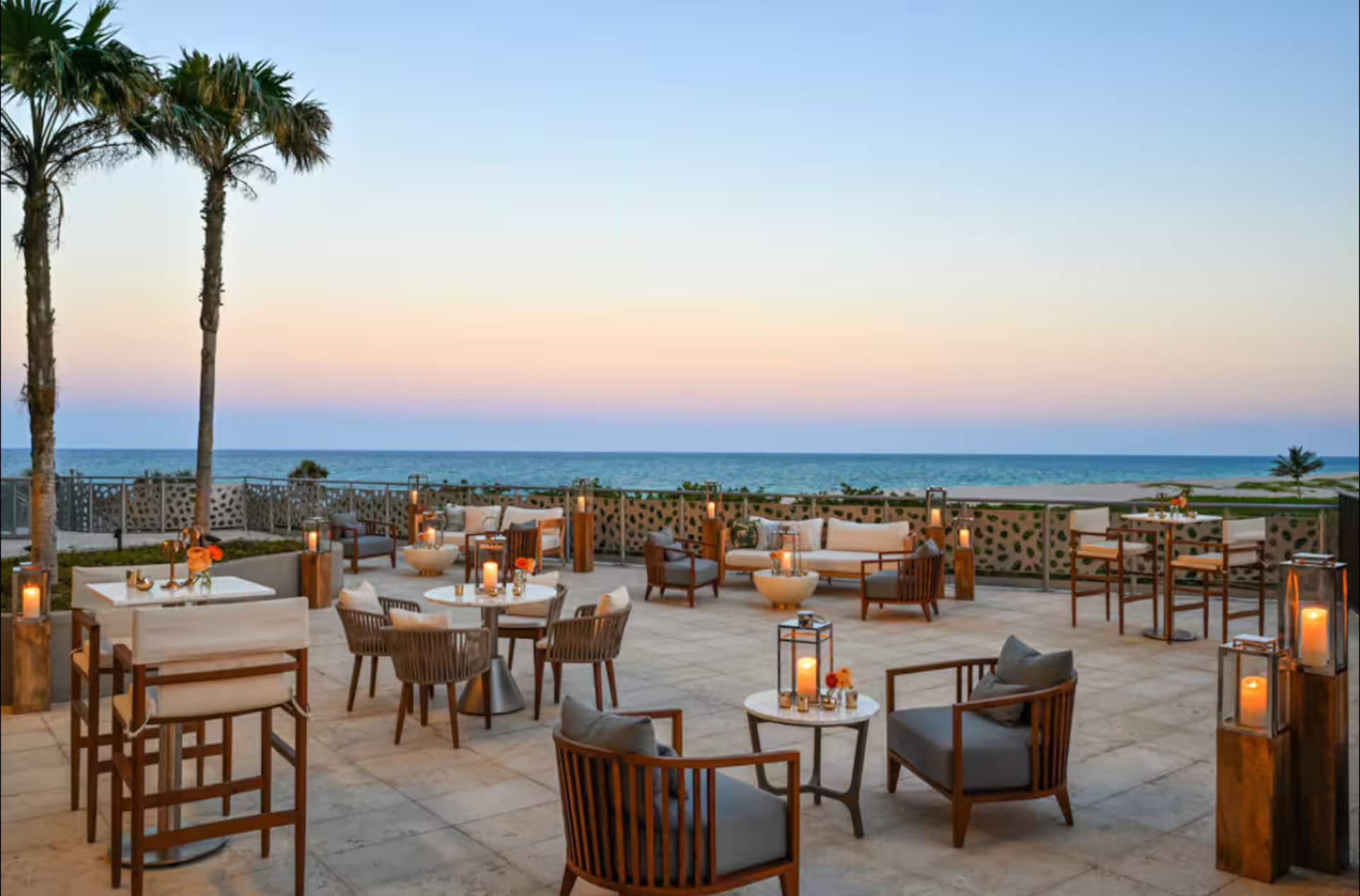
When you want the cooking to get more ambitious, ONA Coastal Cuisine at the Palm Beach Marriott Singer Island does contemporary coastal food with Mediterranean touches — the choice for a nicer night that still keeps the ocean close. And on property, TULĀ Oceanfront at Amrit is the resort's own restaurant. It is plant-forward, vegetarian and vegan rather than a seafood house, so it is not where you go for grouper — but it is a good option for a night you want something lighter and green without leaving the building.
- Walkable or close: Johnny Longboats on the municipal beach is the easiest no-car meal.
- Best sunset: the marina and inlet tables, Sailfish Marina chief among them.
- Reservations: weekends and the winter high season fill up — book ahead, especially for a sunset table or a group.
- On property: TULĀ for a plant-forward night in the building, no drive required.
Getting to these tables is easy. Johnny Longboats and the Ocean Mall are walkable or a short bike ride from much of the island; the marina and inlet spots are a quick rideshare or drive. None of it requires crossing a bridge, which is the whole appeal — you can keep your evening on the island and still have real variety, from a beach basket to a proper sunset dinner. In the winter high season, the popular sunset tables and weekend nights fill fast, so it pays to think a day ahead rather than wandering up hungry at seven. A standing tip: the light at the inlet in the last hour before sunset is the reason to be there, so aim your reservation for then and let dinner run gently into dusk.
For the fuller rundown by occasion — date night, big group, toes-in-sand lunch — see the island restaurants guide, which covers these and more in detail.
07Buying fish to cook in the residence
One of the quiet pleasures of a place with a real kitchen is that you can skip the restaurant entirely and cook the catch yourself. The residence has a full Miele kitchen with an island that seats eight, which is more than enough to turn a morning market run into a very good dinner. The trick is buying well, and that is easier than it looks once you know what to ask.
Where to buy
- Seafood markets attached to fish houses are the best source. They buy fresh, sell fast, and the person behind the counter knows the boats. This is where you find whole snapper, grouper fillets and, in season, stone crab claws by the pound.
- Publix has a reliable, well-run seafood counter and is the everyday choice for provisioning — convenient, close, and consistent.
- Whole Foods carries a wider range of fresh fish and is good for sustainability labeling if that guides your choices.
- Delivery through Instacart and similar services reaches the residence if you would rather not make the trip — though for fish, seeing it in person is worth the errand.
How to tell good fish from tired fish
You do not need to be an expert. A few plain checks cover most of it. Smell is the first and best test: fresh fish smells clean and faintly of the sea, never “fishy” or sour. The flesh should look bright and moist, not dull or dried at the edges, and it should spring back when pressed rather than holding a dent. If you are buying a whole fish, the eyes should be clear and full rather than cloudy and sunken, and the gills a healthy red. Firm, glistening, ocean-clean: those are the words to have in mind.
Then just ask. The single most useful question at any counter is, “What came in today, and what's local?” A good fishmonger will tell you straight, point you to the best value, and often offer to skin, fillet or portion it for you on the spot. Take them up on it. Ask them to remove pin bones from a fillet if you would rather not fuss with tweezers at home.
Do not overlook the shellfish while you are there. Fresh Florida shrimp, peel-and-eat or raw to cook, make an easy dinner, and in season a bag of stone crab claws needs nothing but a mustard sauce and a cold plate. If a market sells local oysters and you have the nerve to shuck them, a dozen on ice back at the residence is a fine way to start an evening — ask the counter to pick you sturdy, deep-cupped ones and to show you the hinge trick if you have never done it. Store live oysters and clams loosely covered rather than sealed in a bag; they are alive, and they want a little air along with the cold.
Keep it cold on the way back — ask for a bag of ice if the drive is more than a few minutes — and plan to cook it the same day, or the next at the latest. Stone crab claws, remember, come already cooked and only need to stay chilled, which makes them the easiest thing of all to carry home. For the full provisioning picture, from groceries to the first-morning shop, see the provisioning guide.
08Cooking the catch in the Miele kitchen
Fresh local fish is the easiest thing in the world to cook and the easiest thing in the world to ruin, and the difference between the two is almost entirely about not overdoing it. Get that one idea, and the rest is confidence. The residence kitchen is fully equipped, so whichever method you like is available — a hot pan, the broiler, the oven for a whole fish.
Three methods that rarely fail
- Pan-sear or grill (mahi, swordfish). Pat the fish dry, season simply with salt, pepper and a little oil, and cook over good heat without moving it until it releases cleanly, then flip once. Firm fish like mahi and swordfish are built for this.
- Broil (snapper, grouper fillets). A few minutes under a hot broiler with butter, lemon and a little seasoning gives you a restaurant-quality fillet with almost no effort. Watch it — broiling is fast.
- Roast whole (snapper). A whole snapper stuffed with lemon and herbs and roasted in the oven is a showpiece for a group at that island, and far simpler than it looks.
The one rule that matters: stop early. Fish is done when it turns from translucent to opaque and just begins to flake, at an internal temperature around 130 to 135 degrees for most species. It keeps cooking off the heat, so pull it a touch before you think it is ready. Overcooked fish goes dry and chalky, and that is nearly the only way to disappoint with something this fresh.
The no-cook dinner
The lowest-effort great meal here is stone crab, in season. It comes cooked, so all you do is keep the claws cold, crack them, and make a five-minute mustard sauce: mayonnaise, a spoon of dry or Dijon mustard, a little Worcestershire, lemon juice, salt. Whisk, chill, done. Add good bread, a green salad and something cold to drink, and you have a proper dinner without turning on the stove.
Keep the sides simple so the fish stays the star: rice or crusty bread, a green salad, some grilled vegetables, a wedge of lime or lemon and good olive oil. A quick pan sauce of butter, garlic, a splash of white wine and lemon dresses up a plain fillet in the time it takes the fish to rest. For a whole roasted snapper, let it sit a few minutes out of the oven, then lift the top fillet off the bones with a spoon, remove the spine in one piece, and the bottom fillet comes away clean — more theater than difficulty, and a fine thing to do in front of guests at that island. If you fished that morning and carried home your own catch, this is where the day pays off; there is nothing to gain from complicating a fish you watched come out of the water, and salt, heat and a little acid is the whole recipe.
If you want to try ceviche at home, use the freshest fish you can buy — ask the counter specifically for something suitable to eat raw — cube it, cover it in fresh lime juice with red onion, chile and cilantro, and let the citrus firm it in the fridge before you serve it cold. A simple menu for a night in: oysters or ceviche to start, a grilled mahi or a whole roasted snapper as the main, and the balcony doors open to the Atlantic that supplied it. That is the reef-to-plate loop closed inside your own kitchen.
09Eating with a light conscience
It is worth a short, honest word about eating seafood responsibly, without turning dinner into a lecture. The good news is that on this coast the most sustainable choice and the most delicious choice usually point the same direction: local and in season. A fish caught nearby and sold fresh has traveled a short, clean path, and it tends to taste better for it. You rarely have to choose between eating well and eating thoughtfully here.
A few simple habits
- Ask what's local and how it was caught. The same question that gets you the freshest fish also gets you the more responsible one. Line-caught local fish beats something flown in from far away on nearly every measure that matters.
- Follow the seasons. Ordering what is running now — mahi in the warm months, stone crab from mid-October to May — means you are eating within the natural supply rather than against it.
- Lean toward the renewable choices. Stone crab is a standout: the claw is harvested and the animal returned to regrow it, which makes it one of the more sustainable things you can order on this coast.
- Order what you'll eat. The simplest conservation there is. Portions here run generous; a shared appetizer and a fillet is often plenty.
Where it gets less simple, be honest with yourself about it. Some popular species are under real pressure, and the picture shifts as fisheries are managed year to year, so no single list stays right forever. If you like to check, a reputable seafood-watch guide is a reasonable reference — but the fastest, most reliable tool on any given night is still the person selling you the fish. Fishmongers and good kitchens on this coast generally know exactly where their seafood came from and are happy to tell you.
Local knowledge helps more than any label. The waters off this coast are actively managed, with seasons and size limits meant to keep the popular species healthy, which is part of why a menu shifts through the year. That churn is a good sign, not an annoyance — it means the fish you are eating is being caught within the rules rather than stripped out of season. When a place tells you red snapper is off this week and steers you to something else, that is the system working the way it should.
If you cook at the residence, buying whole fish and using more of it — the frame for a quick stock, the cheeks and collar that many cooks quietly prize — is both thriftier and gentler on the supply. And when you eat out, a kitchen that changes its catch with the season and can tell you where the fish came from is usually one worth trusting with the rest of the meal, too. Thoughtful and delicious are not at odds here; more often than not, they are the very same order.
None of this needs to be heavy. The point is not guilt; it is that paying a little attention rewards you with better food. Eating close to the water, in season, from people who know their supply, is the whole quiet argument for the reef-to-plate way of doing things — and it happens to be the most pleasurable way to eat here anyway.
10The reef-to-plate loop
The nicest thing about seafood on this coast is that you can close the loop yourself. The reef, the boat, the dock and the table are all within a small radius of the residence, and you can experience as much or as little of the chain as you like — from simply eating at a marina table to catching your own dinner and cooking it that night.
From the water to your plate
The boating & fishing world here is right at the doorstep. Charters run out of the nearby marinas for everything from a few hours of inshore fishing to a full deep-sea day chasing mahi, snapper and grouper out past the inlet. Many people who fish here bring their catch home to cook, and some docks and restaurants around the marinas will clean and even cook what you land — a catch-and-cook arrangement that is worth asking about when you book. There is a particular satisfaction to eating a fish you watched come over the side that afternoon.
Even without a rod, you can watch the loop turn. Sit at a marina restaurant near the fishing docks toward the end of the day and you will see the boats come in, the day's catch unloaded, the coast doing exactly what it has always done. That is the reef-to-plate story happening in front of you, no participation required.
A day built around the catch
- Morning: a fishing charter out of the marina, or a quieter run to a fish market for whatever came in.
- Midday: a toes-in-sand lunch at Johnny Longboats, or a picnic of oysters and shrimp back at the residence.
- Late afternoon: a drink at a marina bar as the boats return and the light turns gold.
- Evening: either a sunset dinner on the water, or your own catch on the Miele grill with the balcony doors open.
You can scale the loop to the trip you want. Some guests want the full version — up before dawn, out past the inlet, a cooler of fish by noon, dinner on the grill by dark. Others are happy with the gentlest form of it: a market run, a simple supper, and a sunset watched from the balcony rather than from a boat. Both are honest ways to eat this coast, and neither is more correct than the other. The water is the same either way, and so is the fish.
What ties it all together is proximity. The reason the reef-to-plate idea is more than a phrase here is that the reef really is a few miles out, the dock really is minutes away, and the kitchen really is upstairs. Most places that talk this way are stretching a little. On Singer Island the distances are simply short, and the fish is better for it.
That last option is the one worth reaching for at least once. There is something about carrying a fish up twelve floors and cooking it simply, with the ocean it came from right outside, that a restaurant cannot quite match. The Atlantic supplied the fish, the kitchen did the rest, and the whole short journey from reef to plate happened within sight of where you are standing. That is the loop, closed — and it is the best argument this coast makes for itself.
Common questions
When is stone crab season, and what do I order?
Florida stone crab season runs from about <strong>October 15 to May 1</strong>. You order the <strong>claws</strong> — that is the whole dish — served chilled and already cooked with a cold mustard sauce. The crab is returned to the water alive to regrow its claw, which makes it one of the more sustainable things you can eat here. Outside that window it is off the menu, and that is the season being honest with you.
What's the difference between dolphin, dolphinfish and mahi-mahi on the menu?
They are all the same fish. On a Florida menu, <strong>dolphin</strong> or <strong>dolphinfish</strong> means <strong>mahi-mahi</strong> — not the mammal. It is a mild, firm, faintly sweet fish, the one in the classic beachfront mahi sandwich, and a good, forgiving first order if you are new to local seafood.
Can I buy fresh fish to cook at the residence?
Yes, and it is one of the best things to do here. Buy from a <strong>seafood market attached to a fish house</strong> for the freshest catch, or the <strong>Publix</strong> or <strong>Whole Foods</strong> counters for convenience. Ask what came in local that day, have them fillet and de-bone it for you, keep it cold on the way back, and cook it the same day. See the <a href="/guides/coffee-breakfast-groceries/">provisioning</a> guide for the fuller picture.
Where can I eat seafood on the water close to the residence?
Several spots are minutes away. <strong>Johnny Longboats</strong> sits right on the municipal beach for a casual mahi sandwich; <strong>Sailfish Marina Resort</strong> is the classic inlet table with sport-fishing docks and sunset views; and <strong>Rafiki-Tiki</strong> is the easy tiki-bar option with a marina view. For a step up, <strong>ONA Coastal Cuisine</strong> does contemporary coastal food nearby. The <a href="/guides/singer-island-restaurants/">island restaurants</a> guide sorts them by occasion.

Your quiet address above the Atlantic
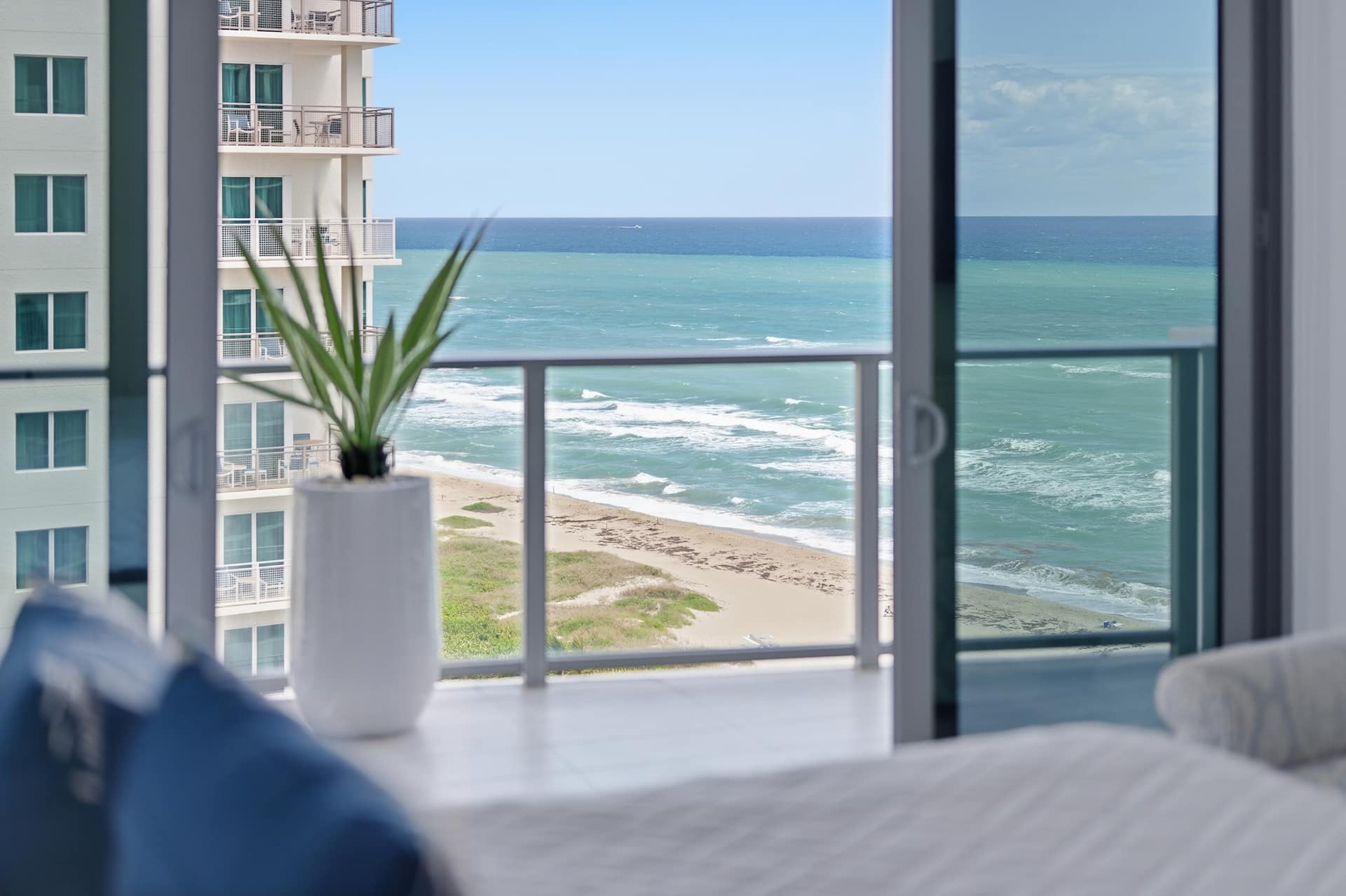
OASENA is a private two-bedroom home on the twelfth floor of the Happiness Tower — floor-to-ceiling ocean views, a sweeping balcony, and this entire wellness world an elevator ride below.
OASENA is a privately owned residence within Amrit Ocean Resort & Residences and is not operated by, affiliated with, or endorsed by the resort. See credits & notes.