Therapeutic Massage: Swedish, Deep Tissue, Sports and More
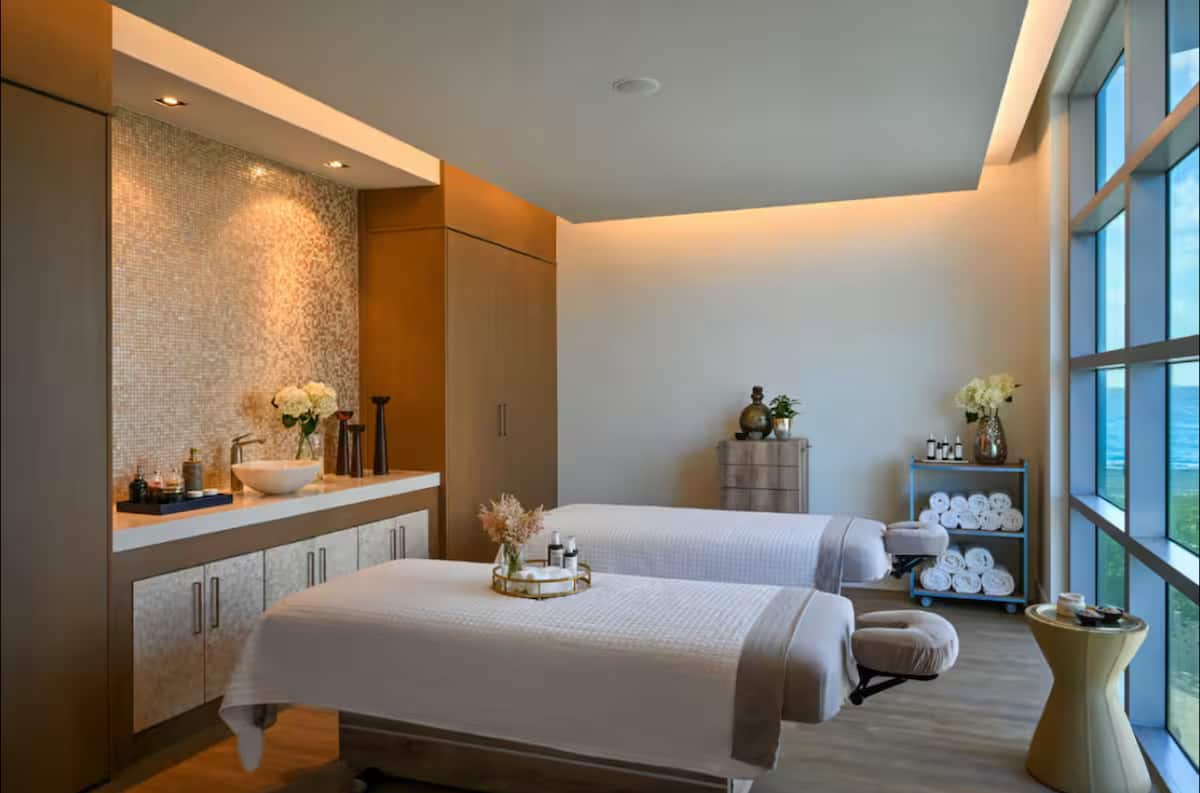
A short elevator ride below the residence, twenty-two treatment rooms and a pair of couples suites host the full massage menu. Here is what Swedish, deep tissue, sports, prenatal, myofascial and Thai each do, what the evidence supports, and how to choose and settle into the right one.
01What therapeutic massage is
Therapeutic massage is the hands-on manipulation of the body's soft tissue — muscle, tendon, ligament and the connective sheath called fascia — carried out by a trained therapist to ease tension, improve comfort and help you relax. That is the whole of it, and it is worth saying clearly, because massage is one of the few things on any wellness menu that needs no translation. Someone has been pressing on a sore shoulder for as long as there have been sore shoulders. What a professional adds is training, structure, and a working language of techniques for doing it well and safely.
The word covers a wide family of styles rather than a single treatment. A slow, flowing Swedish massage and a firm, focused deep-tissue session share a table and a jar of oil, but they set out to do different work, at different speeds and depths. A good part of getting a massage you are glad you booked is knowing, at least roughly, which style fits what you came in for — and then telling the therapist so. Get that one decision roughly right and the hour tends to take care of itself.
At Amrit, the menu runs the length of that family. The core styles you will see are these:
- Swedish — long, gliding strokes for general relaxation and circulation.
- Deep tissue — slower, firmer work into stubborn knots and chronic tension.
- Sports — targeted work built around movement, training and recovery.
- Prenatal — gentle, carefully positioned work adapted for pregnancy.
- Myofascial release — sustained, low-oil pressure that works on the fascia.
- Thai — assisted stretching and rhythmic compression, done clothed on a mat.
The rest of this guide walks through where these styles come from, how they are thought to work, what the research honestly supports, and how to choose and settle into one. None of it is complicated. Massage is among the gentlest things on a spa list, and one of the easiest to get real value from on a short stay. The treatment rooms sit a short elevator ride below OASENA, so a proper eighty-minute session takes no car, no drive and very little planning.
What therapeutic means
One clarification belongs up front. The word therapeutic here means the work is aimed at a comfort or wellbeing goal — easing a tight neck, unwinding after a travel day, loosening the legs after a run — not that it treats or cures a diagnosed condition. A skilled massage can do a great deal for how your body feels, and there is real evidence behind some of that, which we will come to without overselling it. What it is not is a replacement for physical therapy, medical care or your doctor's advice, and a plain therapist will be the first to say so. Read it as one of the oldest and most dependable ways to feel better in your own skin for a while, and you will have it about right. None of that lowers the value of what it can do; if anything, being clear about the limits is what lets you enjoy the real thing without disappointment.
02Where massage comes from
Massage is old almost beyond dating. Written and carved records of therapeutic touch turn up independently across the ancient world, which suggests people arrived at it everywhere, on their own, because it works well enough to keep doing. In China, the manipulation of the body that grew into tui na was described more than two thousand years ago. In India, rubbing and kneading with oils formed part of the broader Ayurvedic tradition. Egyptian tomb art shows hands at work on feet and limbs, and both Greek and Roman physicians wrote about it in plain terms. None of these traditions borrowed from the others to begin with; they simply converged on the same discovery.
The Greeks in particular gave us an early professional voice. Hippocrates, in the fifth century BCE, wrote that a physician should be experienced in many things and assuredly in rubbing — his word for what we would call massage — noting that it could bind a joint that was too loose and loosen one that was too rigid. Roman writers and physicians, treating athletes and soldiers, carried the practice forward. For centuries the knowledge traveled with bath houses, wrestling schools and the healing traditions of temple and home. Massage almost always kept company with bathing and heat — the Roman baths, the Turkish hammam, the Nordic sauna — the same pairing of warm water and skilled hands you can still walk through in the circuit downstairs.
How the modern styles took shape
The massage most Westerners picture today took its recognizable form in the nineteenth century. In Sweden, Per Henrik Ling built an influential system of medical gymnastics that combined movement, exercise and manual work. Around the same period a Dutch practitioner, Johann Georg Mezger, is usually credited with organizing the set of strokes we still name in French — effleurage, petrissage, friction, tapotement. That collection of techniques is what the world came to call Swedish massage, and it remains the base from which most spa styles are built.
Other lineages stayed closer to home. Thai massage grew inside Thailand's Buddhist and medical culture, drawing on Indian and Ayurvedic ideas, and is traditionally traced to a physician remembered as a contemporary of the Buddha. It looks nothing like a Swedish massage — the receiver stays clothed and is stretched and compressed along lines of the body — yet it belongs to the same broad human habit of using skilled hands to make a body feel better.
By the twentieth century, massage in the West had moved from the bathhouse and the sickroom into clinics, sports medicine and, eventually, the spa. Training became formal, licensing arrived, and the styles specialized. The menu you read below the residence is the tidy modern descendant of all of it:
- East Asian roots — tui na and related pressure-and-stretch traditions.
- South Asian roots — Ayurvedic oil massage and, by way of it, Thai bodywork.
- European roots — the Greek and Roman inheritance, refined into the Swedish system.
- Modern specialties — sports, deep tissue, prenatal and myofascial work, shaped by clinics and athletics.
03How massage is thought to work
Nobody fully understands everything a massage does, but the main pathways are reasonably well mapped, and it helps to separate what the hands do to tissue from what the whole experience does to the nervous system. Both matter, and the second may matter more than people expect.
What the hands do to tissue
At the mechanical level, a therapist is moving things. Pressure and stroking push blood and lymph through the area being worked, which is why skin often warms and pinks under the hands. Kneading and stretching help muscle fibers and the fascia around them glide over one another, easing the stiff, glued-up feeling that builds after long sitting, hard training or a cramped flight. Firm, specific work on a tight band of muscle — a knot, in common speech — seems to help it let go, though exactly why is still debated. What is clear is that the effect is local and physical: the tissue feels different under the hand by the end of a few minutes of steady work.
What it does to the nervous system
The larger share of the benefit may run through the nervous system. Slow, rhythmic, comfortable touch nudges the body out of its alert, sympathetic state and into the parasympathetic mode people call rest and digest. Heart rate tends to settle, breathing slows, and many people feel the drowsy heaviness that makes it hard to keep your eyes open on the table. Measured effects on stress hormones are real if modest, and the felt sense of being cared for and unhurried is part of the mechanism, not a side effect. It is one of the few settings in modern life built entirely around slowing down, and the body seems to know the difference.
Touch also changes how pain registers. A long-standing idea called gate control holds that pressure and touch signals traveling up the spinal cord can crowd out pain signals competing for the same pathways — which is why rubbing a bumped elbow helps, and why steady pressure on a sore muscle can feel like relief rather than hurt.
Put the pieces together and a session is doing several things at once:
- Moving fluid — supporting local circulation in the tissue being worked.
- Freeing tissue — helping muscle and fascia move more easily against each other.
- Calming the system — shifting you toward the parasympathetic, lower-arousal state.
- Dialing down pain — using touch to compete with and soften pain signals.
Bodies also respond differently. The same pair of hands, the same hour, will leave one person loose and sleepy and another simply pleasantly relaxed, and both are normal. Massage is a general-purpose down-regulator more than a precise tool, which is a large part of why it is so widely tolerated and so hard to overdo.
One honest note belongs here. You will sometimes hear that massage flushes toxins or drains poisons from the muscles. That language is not supported and is worth ignoring. Drink water afterward because it is a sensible thing to do, not because you are rinsing anything out.
04Swedish and deep tissue: the pressure spectrum
The two styles most people start with sit at opposite ends of the same dial. Understanding the difference is most of what you need to book well, because almost everything else on the menu is a variation on one of them.
Swedish: the relaxing baseline
Swedish massage is the default for a reason. It uses long, gliding strokes, kneading, and light rhythmic movements over oiled skin, generally working from the surface with light to medium pressure. The aim is broad rather than surgical — overall relaxation, better circulation, a nervous system talked down out of high alert. If you have had a hard travel day, if your shoulders live near your ears, or if you simply want an hour that asks nothing of you, this is the one to book. It is also the gentlest introduction if you have never had a professional massage and are not sure what you will like.
Deep tissue: slower and more focused
Deep tissue is often misunderstood as simply a harder Swedish massage, and it is not. It is slower and more deliberate, working through the outer layers to reach the deeper muscle and connective tissue underneath, and it tends to concentrate on a few problem areas — a locked-up neck, a low back that has been complaining, the perpetual knot below a shoulder blade — rather than covering the whole body evenly. The pressure is firmer, and the therapist may hold, lean and wait for tissue to release rather than glide across it.
Firmer does not mean it should hurt. There is a real difference between the productive ache of good pressure and actual pain, and crossing that line is counterproductive — muscles guard and tighten against pain, which is the opposite of the goal. The right depth is the edge where it feels intense but you can still breathe and stay relaxed. That edge is yours to set, out loud, which is the subject of a later section.
A quick way to choose between the two:
- Book Swedish if the goal is rest, stress relief, or a first massage.
- Book deep tissue if you have specific, stubborn tension you want addressed.
- Ask for a blend — many therapists will keep most of the body relaxing and go deeper only where you need it. Say so at the start.
Both use oil or lotion so the hands can move over the skin, both are done with you undressed to your comfort and covered by a sheet, and both run the same lengths on the menu. The only real decision is depth and focus — broad and light, or targeted and firm — and you are allowed to change your mind partway through. Neither is better than the other; they are simply built for different afternoons. On a longer stay, plenty of people book one of each: a deep-tissue session early to sort out the travel knots, and a slow Swedish massage near the end just to enjoy it.
A massage is one of the few things on a wellness menu that needs no translation: someone has been pressing on a sore shoulder for as long as there have been sore shoulders.
On the massage menu at Amrit
05Sports massage and myofascial release
Two styles on the menu are built less around relaxation and more around how the body moves. They suit active people and anyone whose tension is tied to the way they use their muscles day to day.
Sports massage: built around movement
Sports massage borrows from deep tissue but organizes the work around activity — training, competition and recovery. A therapist will often combine firm strokes with stretching, compression and focused work on the muscle groups a given sport hammers: calves and hamstrings for a runner, shoulders and forearms for a paddler or a golfer, hips and low back for almost everyone. The timing can matter too. Lighter, brisker work before activity helps warm and loosen tissue, while slower, deeper work afterward helps the body settle and recover.
You do not have to be an athlete to benefit. Sports massage suits anyone with an active vacation — long beach walks, tennis, a day of diving, a bike ride down the island — or a body that simply holds its tension in the big working muscles. If you came to Singer Island to move, this is the style that keeps you moving comfortably.
Myofascial release: working the fascia
Myofascial release targets the fascia, the thin, tough web of connective tissue that wraps every muscle and runs continuously through the body. Rather than gliding over oiled skin, the therapist uses little or no oil so the hands can catch and hold the tissue, then applies slow, sustained pressure and gentle stretch and simply waits — often for a good while — for the fascia to soften and lengthen under the hand. It is a patient, unhurried style, and it can feel unusual the first time: less like being rubbed and more like being slowly, steadily unspooled.
People often reach for myofascial work when a stubborn area has not responded to ordinary massage, when tightness seems to pull across a whole region rather than sit in one spot, or when old patterns of tension feel structural. Like every style here, it is offered as a relaxing wellness treatment rather than a medical one.
How to tell which fits:
- Sports — you are training or active and want to move and recover well.
- Myofascial release — you have persistent, spread-out tightness and prefer slow, sustained pressure to brisk strokes.
- Not sure — describe what your body has been doing lately and let the therapist steer; these styles blend easily with deep tissue.
Both of these styles reward good communication more than most. Because the work is specific, the therapist depends on you to point to the leg that aches or the shoulder that clicks, and to say when a spot is the spot. A minute of description at the start earns a far better hour on the table. Amrit's menu also includes craniosacral therapy, an especially light-touch manual style with its own guide; if the gentlest possible session appeals to you, ask about that as well.
06Prenatal massage and Thai bodywork
Two more styles round out the menu, each adapted for a particular body or a particular tradition. They are worth understanding on their own terms, because both differ from a standard oil massage in how they are set up and what they set out to do.
Prenatal massage: adapted for pregnancy
Prenatal massage is massage reworked to be comfortable and appropriate during pregnancy. The most visible difference is position: rather than lying face down, an expectant mother is usually settled on her side, propped and supported with cushions and bolsters so that mother and belly are comfortable and there is no pressure where there should not be. The pressure is generally gentle to moderate, the therapist avoids certain areas, and the focus tends to fall where pregnancy puts its load — the low back, the hips, the legs and the swollen, tired feet.
Done by a therapist trained for it, prenatal massage is a genuine comfort in the second and third trimesters, and many expectant mothers find it eases back ache and helps them sleep. Because early pregnancy and certain complications call for real caution, this is a treatment to clear with your doctor first, and to flag when you book so the right therapist and setup are ready. There is more on that in the contraindications section below.
Thai massage: clothed, on a mat
Thai massage is the outlier on the menu and the one first-timers should understand before booking. You stay fully clothed in loose, comfortable garments, there is no oil, and the work happens on a padded mat on the floor rather than a table. The therapist uses hands, forearms, elbows, knees and feet to apply rhythmic compression along the body and to move you through a long series of assisted stretches — a bit like being eased through a slow, supported yoga practice by someone else. It follows traditional lines of the body the tradition calls sen.
It is more active and, for many people, more energizing than a Swedish massage; you may leave feeling stretched and loosened rather than drowsy. It suits people who like a firm, physical treatment and who enjoy being moved and stretched. It is not the right pick if you want to lie still and drift, or if your joints are fragile — in which case a table massage is the kinder choice. First-timers sometimes find it strange for the first few minutes and then settle into it happily; if you are curious, a shorter session is a low-stakes way to try.
In short:
- Prenatal — for pregnancy, side-lying and gentle, cleared with your doctor first.
- Thai — clothed, oil-free, active assisted stretching on a mat, energizing rather than sleepy.
Because both of these depart from the oiled-table norm, they are the two styles it pays most to ask about when you book, so you arrive dressed right and know what the hour will hold. A minute of conversation with the spa saves any surprise on the day. Both, done by the right therapist, are as gentle and considerate as anything on the menu.
07What the evidence does and doesn't say
This is the section to read slowly, because massage is easy to oversell and the honest picture is better than the hype anyway. Compared with many treatments on a spa menu, massage has a fair amount of research behind it — but the findings are best described as modest and encouraging, not miraculous, and they cluster around a few specific things.
Where the evidence is reasonably good
- Pain, especially back and neck. A number of reviews find that massage gives real, if often short-term, relief for low-back pain and neck pain, and some clinical guidelines list it among the reasonable non-drug options to try. It tends to help most as part of a broader plan rather than on its own.
- Stress and anxiety. Massage reliably lowers self-reported stress and anxiety in the near term, and most people feel calmer and looser afterward. The relaxation is the most consistent finding in the whole literature.
- Sleep. Several studies report better sleep quality after massage, which fits the way it settles the nervous system. If travel and a busy mind have wrecked your sleep, a massage is a sensible, low-risk thing to try.
Where the claims run ahead of the proof
Elsewhere, enthusiasm outpaces the data. Massage does not flush toxins, does not meaningfully change body weight or shape, and does not cure disease. Effects on things like blood pressure, immune function and long-term chronic conditions are, at best, small and inconsistent across studies. Much of the research is made up of small trials that are hard to blind — you always know whether you are getting a massage — which makes strong conclusions difficult. And relief is often temporary, measured in days, which is exactly why regulars come back.
Why feeling good still counts
It is worth pushing back on one common dismissal — that if an effect is short-term, or partly down to relaxation and attention, it somehow does not count. On a week by the ocean, an hour that reliably lowers your stress, eases a sore back and helps you sleep is doing real work, whatever the mechanism. The point of a massage on holiday is not to rewrite your physiology. It is to feel materially better for the rest of the day, and at that, the evidence and several thousand years of practice agree, massage delivers.
The reasonable position is a comfortable one. Massage is a well-tolerated, low-risk wellness practice with decent support for easing pain, stress and poor sleep, and it feels good in a way that has value on its own. Treat it as a genuine comfort and a helpful complement to good care — never as a treatment for a medical condition, and never as a reason to skip the advice or medication a doctor has given you. How often is up to you and your body: there is no medical schedule to keep, and on a short stay one session is plenty to feel the benefit, with two or three across a week a pleasant rhythm rather than a prescription.
08Choosing a treatment, and talking about pressure
Two things make the difference between a massage you tolerate and one you remember: choosing roughly the right style, and telling the therapist what you want once you are on the table. Neither requires any expertise. It requires only that you show up with a sense of your goal and a willingness to speak.
Choosing before you book
Start with the goal, not the style name. Ask yourself what you want the hour to do, and the choice tends to make itself:
- To unwind and de-stress — Swedish, or a mostly-Swedish blend.
- To address a specific sore or stiff area — deep tissue, focused where it hurts.
- To recover from activity or keep an active body loose — sports massage.
- Persistent, spread-out tightness — myofascial release.
- Pregnant and looking for relief — prenatal, once cleared with your doctor.
- You want to be stretched and moved, not rubbed — Thai.
Then pick a length. On the menu here, sessions run about fifty, eighty or a hundred and ten minutes. Fifty is enough for a focused session on one or two areas or a brisk full-body relaxer. Eighty is the comfortable standard, with room to work thoroughly and still unwind. A hundred and ten is for an unhurried full-body session, or for combining relaxation with detailed work on problem spots. If you are not sure, the longer session almost always feels worth it, because nobody has ever wished a good massage were shorter. There is no wrong answer here; the length is simply how much of a good thing you feel like having.
Talking about pressure
Pressure is the single most important thing to communicate, and the one people most often stay silent about. Therapists are not mind readers, and comfortable pressure varies enormously from person to person. A few simple habits fix almost everything:
- Speak up early and specifically. A little firmer or a bit lighter, please is all it takes, and the sooner the better.
- Know the difference between good and bad. Productive pressure feels intense but breathable; if you are clenching, holding your breath or gritting your teeth, it is too much — say so.
- Name your targets and your no-go zones. Mention the areas you want worked and any you would rather were left alone.
- It is your hour. Temperature, music, volume, talking or quiet — all of it is yours to adjust, and a good therapist wants the feedback.
None of this is rude. The therapist would far rather adjust to a request than have you leave wishing you had spoken. If you tend to freeze up and stay polite on the table, decide before you walk in that you will say one true thing about the pressure in the first few minutes. That single sentence, early, sets the tone for the whole hour and almost promises you get the massage you wanted. Therapists hear this kind of feedback all day and are glad of it; the awkwardness is entirely in your head, and it lifts the moment you speak.
09What a session is like
If you have never had a professional massage, the not-knowing can be the only uncomfortable part. The whole thing is gentle and unhurried by design, and it follows the same simple shape almost everywhere.
Before you begin
Most first sessions start with a short intake form asking about your health, any injuries, medical conditions, medications, allergies and what you are hoping for. This is worth filling out honestly — it is how the therapist keeps the work safe and useful. You will then be shown to a warm, dim, quiet room, usually with soft music, and given privacy to undress to your comfort and lie under a sheet on the table. A little preparation helps too: arrive a few minutes early so you are not rushing in with your pulse up, skip a heavy meal right beforehand, and use the restroom first so an hour on the table is uninterrupted.
Undress to your comfort means exactly that. Most people undress fully or leave underwear on, whichever they prefer; you are covered the whole time and only the area being worked is ever uncovered. Two styles are different: for prenatal massage you are positioned and draped on your side, and for Thai massage you stay fully clothed in loose garments and there is no undressing at all.
During the session
You will lie face down to start, with your face resting in a padded cradle so your neck stays neutral, and the therapist will usually turn you partway through. They work with oil or lotion on a Swedish, deep-tissue, sports or prenatal massage, and with little or none for myofascial work. This is the time to use everything in the section above — speak up about pressure, temperature and anything that is not comfortable. Otherwise there is nothing you need to do. Breathe normally, let your limbs go heavy, and it is entirely fine to drift off; therapists take it as a compliment.
Draping, oils and comfort
Professional draping is a firm standard, not an optional nicety: the sheet stays over you, and the therapist folds back only what they are actively working on. If a particular oil or scent bothers you, say so — unscented options are normal, and it is a reasonable thing to ask for, especially if your skin is sensitive.
Afterward
Get up slowly; a deep massage can leave you a little light-headed for a moment. Then treat the hour after kindly:
- Drink water. Not to flush anything out, simply because it is a good idea and you will feel better for it.
- Go gently. A relaxed hour, a slow walk or a rest beats rushing straight into something stressful.
- Expect the odd tender spot. After deeper work, some people feel mildly sore the next day, much like after light exercise; it passes, and a warm shower and easy movement help.
That is the whole of it. No skill required, nothing to prepare, nothing to perform — just an hour of being comfortably looked after.
10Who it suits, and who should ask a doctor first
Massage suits most people most of the time, which is a large part of its appeal. If you carry the low-grade tension of travel and desk work, if a specific area is sore, if you are active and want to recover well, if you are pregnant and looking for gentle relief, or if you simply want an unhurried hour that asks nothing of you, there is a style here for you. It is one of the safest things on any wellness menu.
But safe is not the same as safe for everyone in every circumstance, and a short honest list matters more than a long reassuring one.
When to ask a doctor first
- Pregnancy, especially the first trimester. Prenatal massage is a real comfort later in pregnancy when done by a trained therapist, but early pregnancy and any higher-risk pregnancy call for caution. Clear it with your doctor and tell the spa when you book.
- Recent surgery or injury. A fresh sprain, strain, fracture, wound or operation needs time and, usually, medical clearance before hands go anywhere near the area.
- Blood clots or blood-thinning medication. If you have or are prone to clots such as a deep-vein thrombosis, or you take blood thinners and bruise easily, talk to your doctor first; massage can be unwise in these cases.
- Heart conditions or uncontrolled high blood pressure. Worth a conversation with your clinician before booking firmer work.
- Cancer or a history of it. Many people with cancer can enjoy gentle, appropriately adapted massage, but it should be discussed with your oncology team and matched to a suitably trained therapist.
- Fragile bones, or conditions like severe osteoporosis. Deep pressure may not be appropriate; a gentler style can still be lovely.
Situations to skip or wait out
Some things simply mean not today. Postpone a massage if you have a fever or an active infection, a contagious skin condition or an open wound, or a fresh injury that is still hot and swollen. Where there are varicose veins, recent bruises or inflamed skin, a good therapist will work gently around them rather than over them.
The unifying rule is simple: tell your therapist. The intake form exists for exactly this, and a few honest lines about your health, your medications and anything tender lets a professional adapt the work — softer pressure, a different position, a style better suited to you — or, when it is the right call, gently suggest you check with your doctor before you book. None of this should put you off. For the great majority of guests, massage is as low-risk as wellness gets. When in doubt, a phone call to the spa before your stay settles most questions: describe your situation, ask what they would recommend, and let their trained staff and your own doctor between them point you to the right treatment, or to a gentler one, or to waiting until another visit. It is a small step that turns a good idea into a comfortable, worry-free hour.
11The treatment rooms below the residence
What sets the massage here apart is less any single technique than where it sits. The wellness centre runs to about a hundred thousand square feet, with twenty-two treatment rooms and a pair of couples suites, and it is a short elevator ride below OASENA rather than a drive across town. You can book a session, take the elevator down, and be back on the twelfth floor with a loose neck inside a couple of hours, no car and no logistics involved. For a short stay, that closeness is much of the point: the effort of getting to and from a spa, which usually eats half the relaxation, simply is not there.
The rooms and the couples suites
Twenty-two rooms means the menu can specialize — a table set up for oiled Swedish and deep-tissue work, a floor mat for Thai, side-lying bolsters for prenatal — and it means availability is usually kind, even in the busy winter season. The couples suites are built for two tables side by side, so partners, friends or a parent and grown child can have their massages together in the same quiet room. It is an easy, low-key thing to do with someone rather than apart.
Pairing massage with the circuit
The nicest way to use a massage here is to warm the body first. The Aayush hydrothermal circuit — hot and cold plunge pools, a sauna, a salt inhalation chamber, an effusion shower and a hydro-reflexology path — sits in the same wellness centre, and the resort suggests ninety minutes to two hours to move through it. A short spell of heat before your session loosens everything and lets the therapist do more with less. A slow rest in the circuit afterward stretches the calm out even further. If you would rather stay gentle throughout, the menu also includes lighter manual styles such as craniosacral therapy, covered in its own guide.
Residence guests reach all of it at preferred rates, with access subject to the resort's terms. The residence is privately owned and is not operated by or affiliated with the resort, so booking runs through the spa in the ordinary way; reserving ahead is wise in high season.
Folding it into a Singer Island day
A massage slots into an island day in a few reliable ways:
- Morning reset. A session first thing, then the private beach or the pool with an unknotted back.
- Midday out of the heat. When the summer sun is at its hardest, an hour on the table is a better idea than an hour in it.
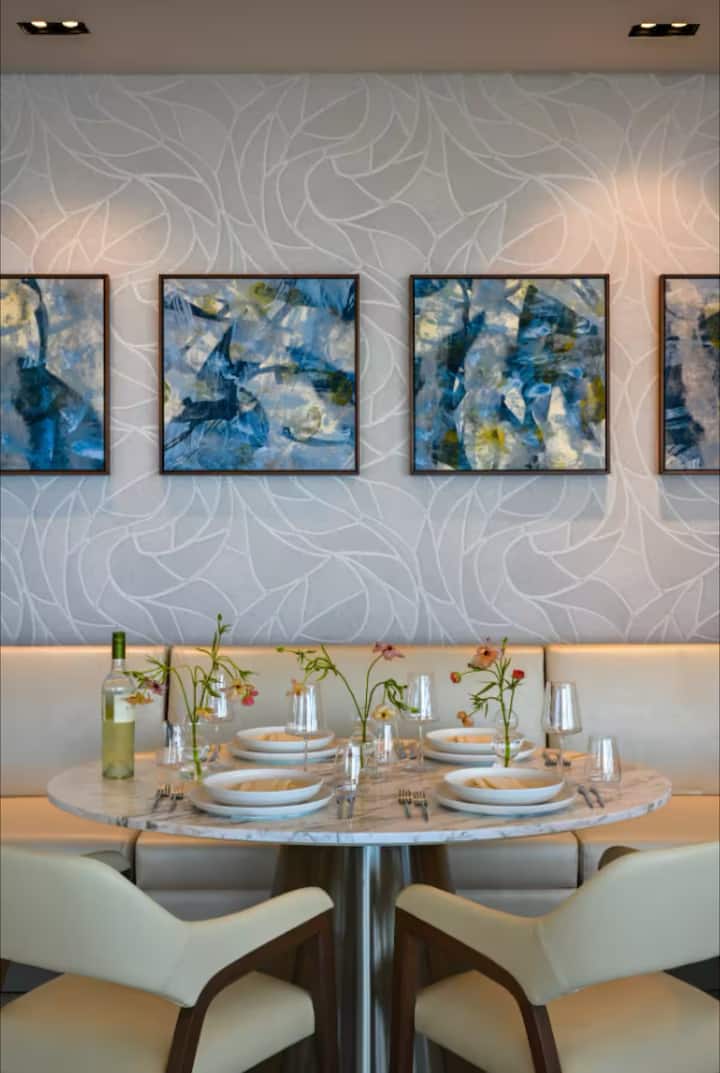
- Evening wind-down. A late-afternoon massage, a light plant-forward dinner at the resort's own TULA Oceanfront restaurant, and an early, well-earned night.
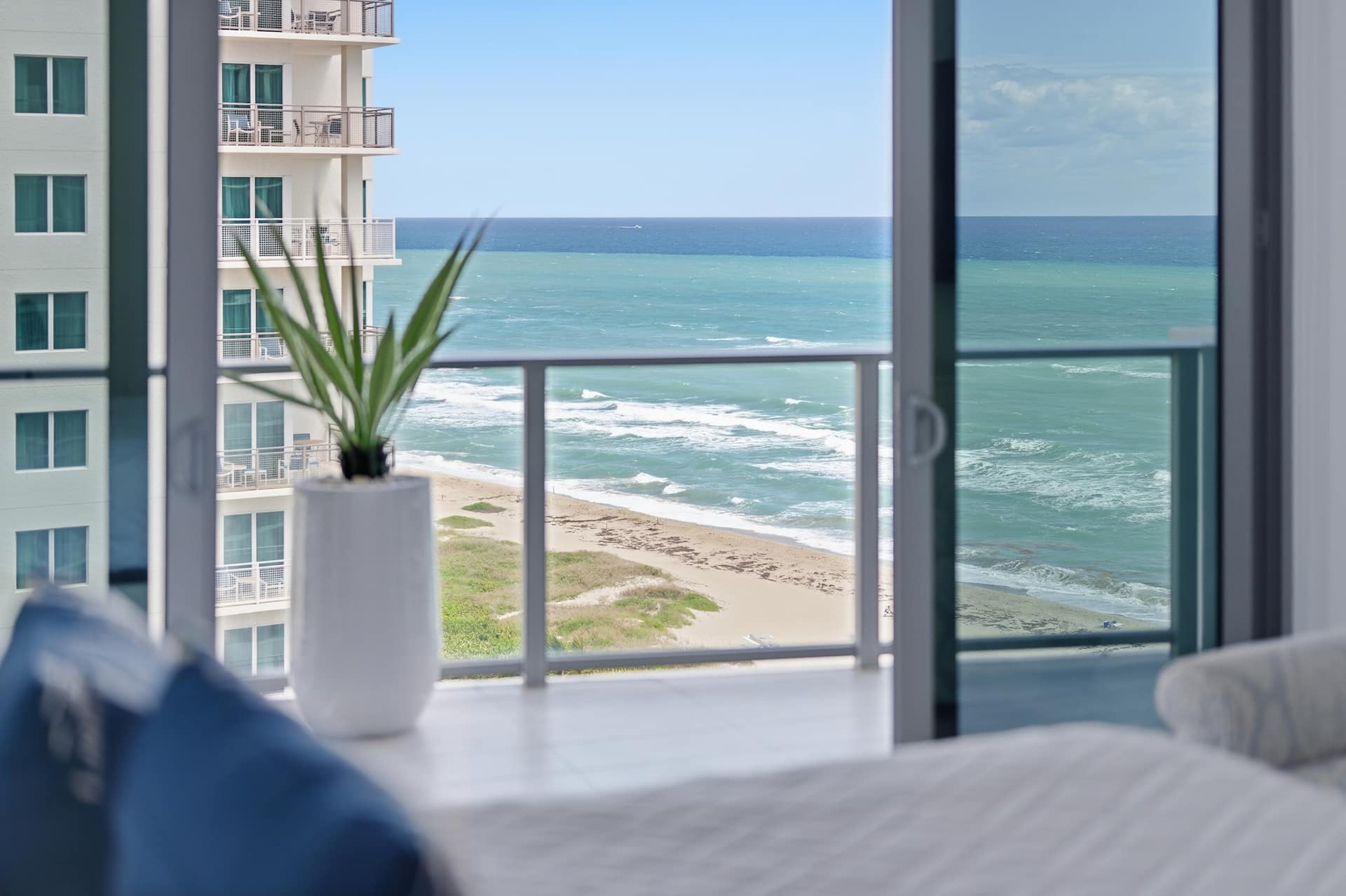
However you place it, keep the hour after soft. Drink your water, take the elevator up, open the balcony doors to the Atlantic, and let the massage keep working while the ocean does the rest. On a floor this high above the beach, that is a very easy instruction to follow.
Common questions
Which massage should I book if I'm not sure?
Tell the therapist your goal rather than picking a style name. If you want to unwind, start with <strong>Swedish</strong>; if you have a specific stubborn area, ask for <strong>deep tissue</strong> focused there; if you are active, <strong>sports</strong> massage. You do not have to know the menu — a good therapist will steer you and adjust as they go.
Does deep tissue have to hurt?
No. It is firmer and slower than a Swedish massage, but there is a real difference between productive pressure and pain. The right depth feels intense yet still lets you breathe and stay relaxed. Speak up early if it is too much; muscles tighten against pain, so crossing that line works against the whole point.
Can I get a massage while pregnant?
Many expectant mothers do, with <strong>prenatal massage</strong> from a therapist trained for it, usually after the first trimester and in a supported side-lying position. Because early pregnancy and certain complications call for caution, ask your doctor first and tell the spa when you book so the right setup is ready.
What should I do after a massage?
Get up slowly, drink some water, and give yourself an easy hour rather than rushing off. Some people feel a little sore the next day after deeper work, much like after light exercise; a warm shower and gentle movement help, and it passes quickly.
A note on wellness & health
This guide is general information about therapies offered at the resort spa, not medical advice, diagnosis or treatment. Wellness services are elective and results vary from person to person. Talk with a qualified healthcare professional before starting any new therapy, especially if you are pregnant or managing a medical condition. OASENA is privately owned and is not operated by, affiliated with, or endorsed by Amrit Ocean Resort & Residences. Spa access is offered to residence guests at preferred rates, subject to the resort’s terms and availability.


Your quiet address above the Atlantic
OASENA is a private two-bedroom home on the twelfth floor of the Happiness Tower — floor-to-ceiling ocean views, a sweeping balcony, and this entire wellness world an elevator ride below.
OASENA is a privately owned residence within Amrit Ocean Resort & Residences and is not operated by, affiliated with, or endorsed by the resort. See credits & notes.