A day on the beach below
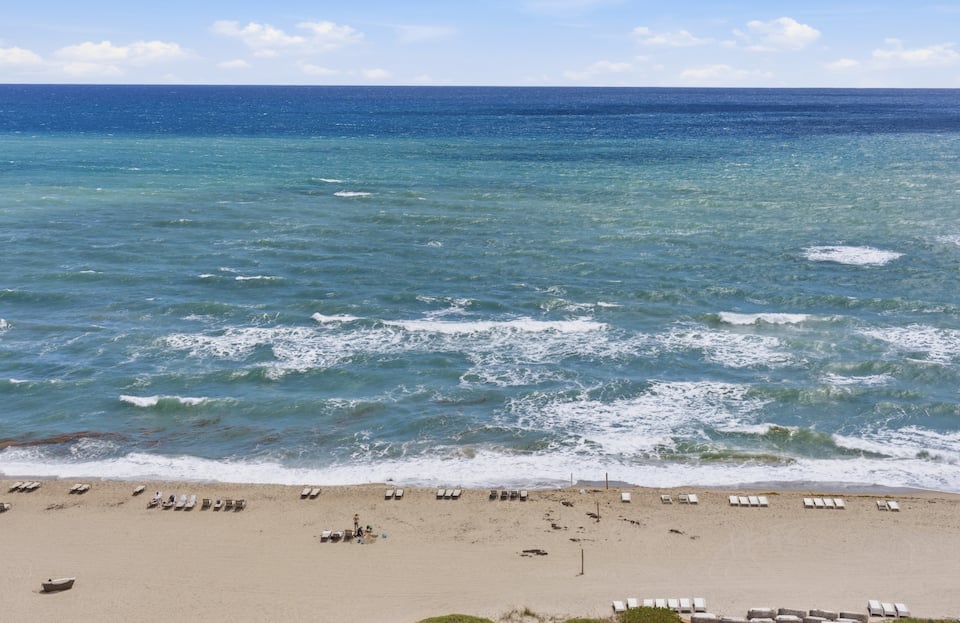
The beach is twelve floors down, with attendants who set up the chairs and bring lunch to them. Here is how a full day on it goes, from the sunrise to the afternoon storm to the balcony at the end.
01Sunrise on the sand
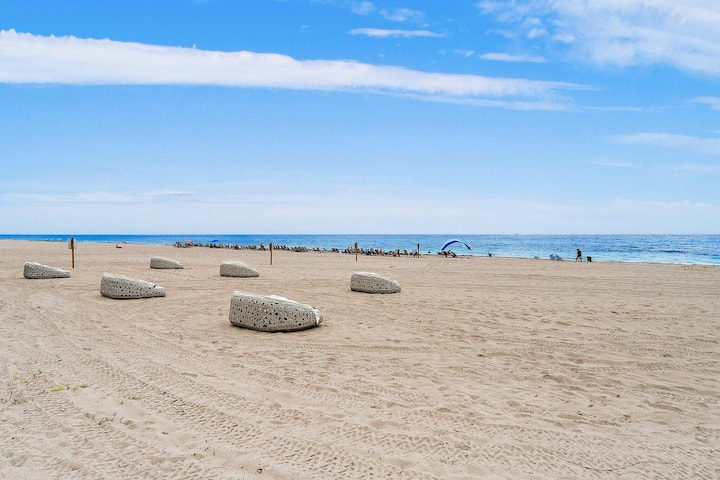
Every beach on Singer Island faces east, straight at the Atlantic, so the sunrise is the show and the residence has a front-row seat. The easiest version is coffee from the built-in machine, taken to the balcony while the sky goes from gray to pink to gold over the water. The fuller version is the elevator down before first light and a walk along the sand while it is still cool.
Morning is the best of a beach day here in every season. The sand is coolest, the light is soft, the water is at its calmest, and in the warm months the beach is nearly empty at eight. By the time the attendants have the loungers out, you have had the coast to yourself for an hour.
Why the morning matters
- In summer, the calm seas and the clear light are before noon; the storm comes in the afternoon.
- In winter, the beach is busier by mid-morning on weekends, and the early hours are the quiet ones.
- All year, the sun is kindest early and late, and fiercest around noon.
02The beach butler and the chairs
The sand in front of the resort is served rather than left to itself. The beach attendants set up loungers and an umbrella angled at the water, bring towels, and deliver food and drinks to your chair through the day. Beach access, chairs, umbrellas and towels are part of the stay, so there is no cooler to haul and no rental umbrella to wrestle.
What to carry down
- Reef-safe sunscreen, a hat, water and something to read. The rest is handled.
- A rash guard for a long swim; it does more than any lotion.
- Little else. The residence is a short elevator ride away for anything forgotten.
Two things are true of this beach as of any in Florida. Below the high-tide line it is public, so walkers pass along the water as they do everywhere on the coast. And it is the open Atlantic, so the surf, the sun and the tides behave the way they do on any beach here. Beachfront water sports are listed among the guest amenities, and beach service follows the resort's hours and terms.
03The pools between the towers and the sand
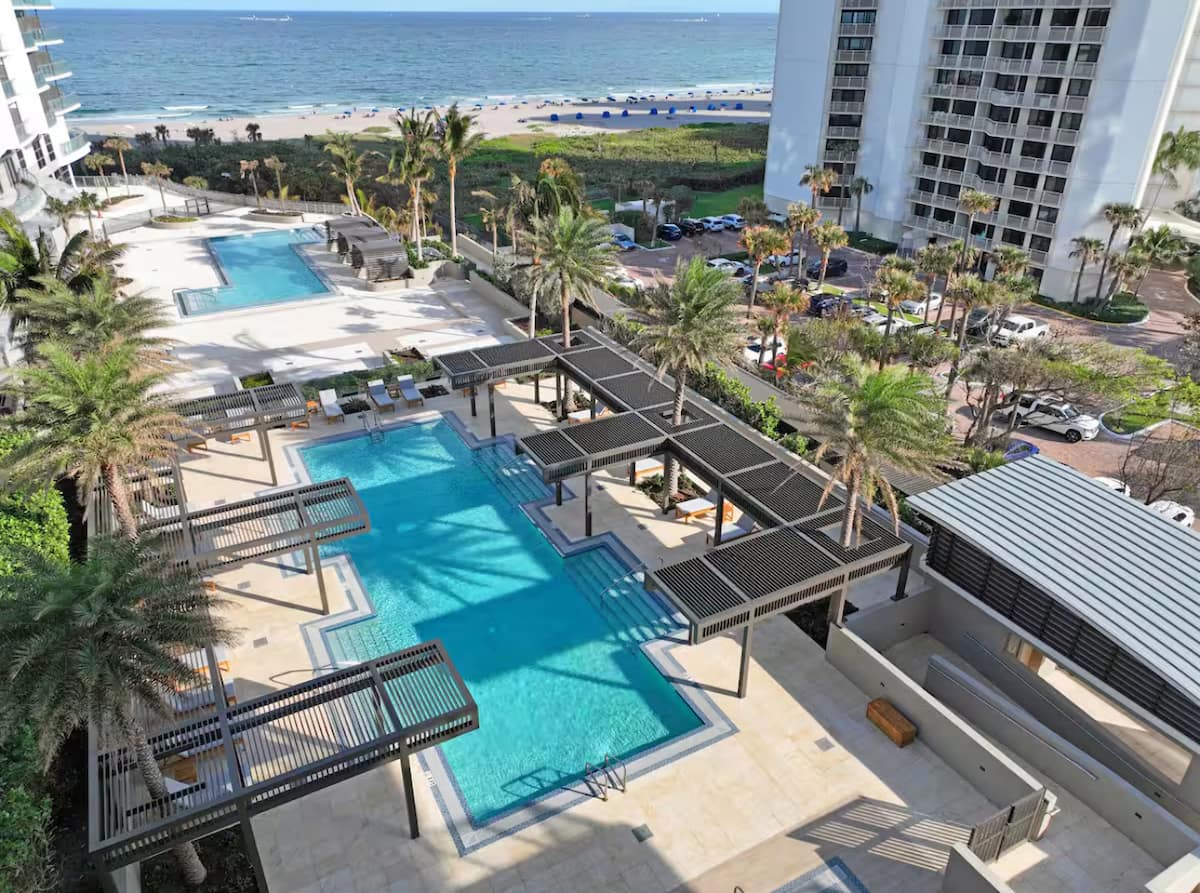
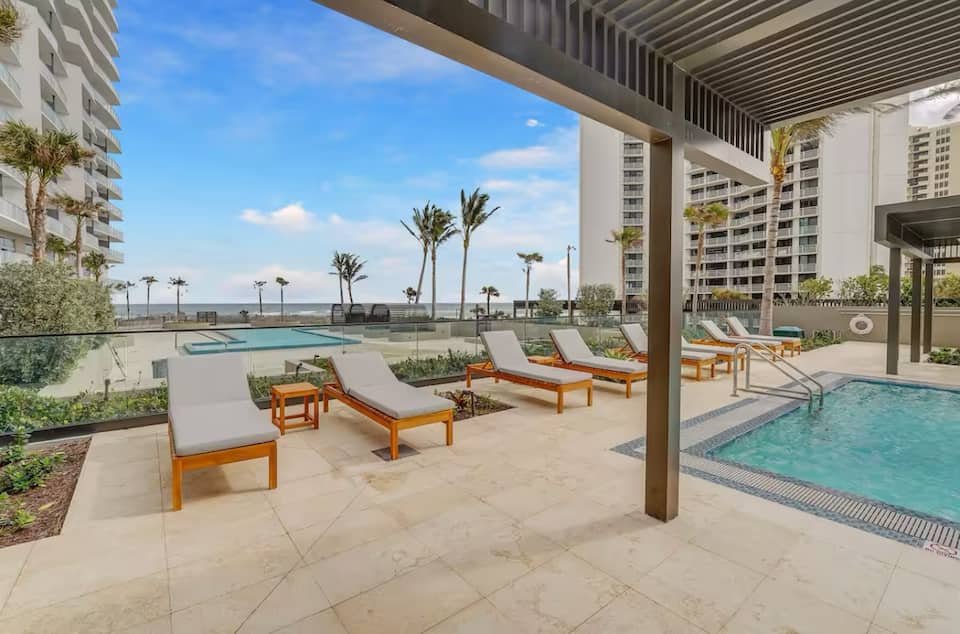
A beach day here moves between salt water and fresh without a car or a bag to pack. Set back from the sand are the oceanfront pools between the towers and the beach, and the heated pool and whirlpool reserved for the residences, which overlook the Atlantic. Swim in the ocean, rinse at the outdoor shower by the pools, stretch out on a lounger, drift back to the sand for the afternoon light.
The residents' pool rules
- No food or glass containers at the residential pool, and no smoking.
- Used towels go back to the bin by the pool attendant's desk.
- Pool hours and towel service are managed by the resort, and its rules apply in every shared space.
In January and February the ocean drifts into the low 70s and sometimes the upper 60s, and plenty of guests swim anyway; others save the long soaks for the heated pool and use the beach for the sun. From April through November the Atlantic is comfortable for most swimmers, and from June to October it is warmest of all. The amenities page lists the rest of what the building adds.
04Snorkeling from shore at Ocean Reef Park
When the water is flat and clear, the beach day can include a reef. Ocean Reef Park is a Palm Beach County park a short drive south on Singer Island, and just off its beach lies a natural rock reef close enough to swim to without a boat. Float over the rocks and there are small fish, the occasional larger visitor, and the low-key underwater life that makes first-time snorkelers light up.
How to do it well
- Go on a calm, clear morning, before the wind picks up. Churned, cloudy water after a blow is disappointing and less safe.
- Bring a mask, fins and a buddy. The reef sits a little way out and suits confident swimmers; fins make the swim against any current far easier.
- Pack water and food. It is a park, not a beach with a bar, with restrooms, outdoor showers, picnic pavilions and a playground.
- Arrive early for the free lot, which fills on weekends and holidays.
For the famous shore dive under the Blue Heron Bridge, which depends on high slack tide, read the snorkeling and diving guide first.
05Turtle season on the beach
From March through October the sand below the residence is a nesting beach. Loggerheads, greens and leatherbacks come ashore at night to dig nests above the tide line, and weeks later the hatchlings emerge after dark and crawl toward the brightest horizon, which for millions of years was the sea.
The rules that make the difference
- Keep the beach dark at night. Close the balcony curtains after dark if the lights are on, and never use a flashlight, phone light or camera flash on the sand.
- Give marked nests room. Staked and taped areas are active nests; do not dig near or touch them.
- Fill in holes and knock down sandcastles before you leave; they trap hatchlings and nesting females.
- Take gear off the sand at night. The attendants clear their own setups; carry off what you brought.
- Never approach or touch a turtle or hatchlings. Watch from a distance.
By day you may see the tractor-like tracks of a female who came ashore in the night. Guided night walks run in June and July and fill early. The sea turtles guide covers the walks and the turtle hospital at Juno Beach.
06The sun and the afternoon storm
The sun here is stronger than visitors from the north expect, even on a hazy day in winter, and a first-day burn ruins the second day. Regulars split the beach day in two: the morning and the late afternoon on the sand, the harsh midday hours upstairs for lunch or under the umbrella.
- Reapply sunscreen often, and reach for reef-safe formulas near the reefs.
- Drink more water than you think you need, especially in summer.
- Read the flags at the guarded beaches: green is calm, yellow moderate, red high hazard, double red closed, purple dangerous marine life. Not every beach is guarded at every hour; the municipal beach at the Ocean Mall has lifeguards through the main hours.
- If a rip current takes you, do not fight it straight back to shore. Float, swim parallel to the beach until you are out of the pull, then angle in.
In summer the storm arrives in the early or middle afternoon, short and heavy, with lightning. When thunder sounds, leave the sand and the water. It clears within the hour, and the evening after is soft and golden.
07The balcony at the end of the day
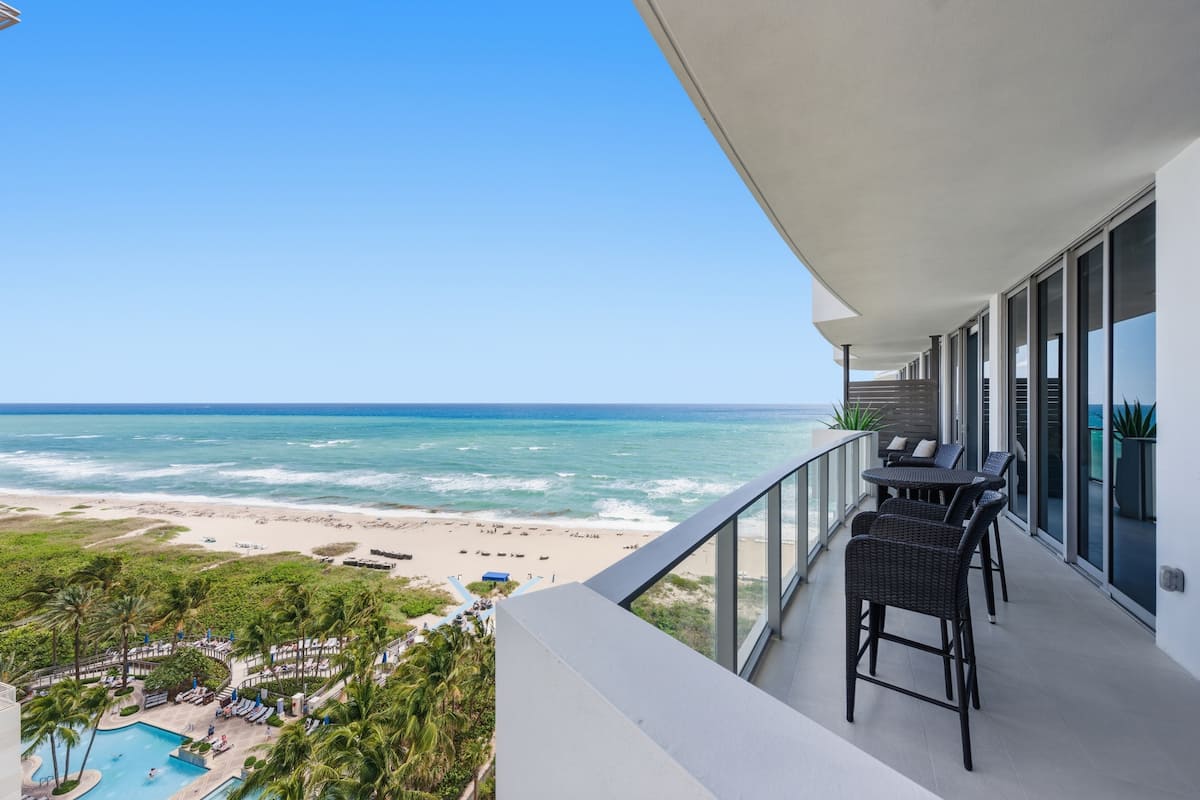
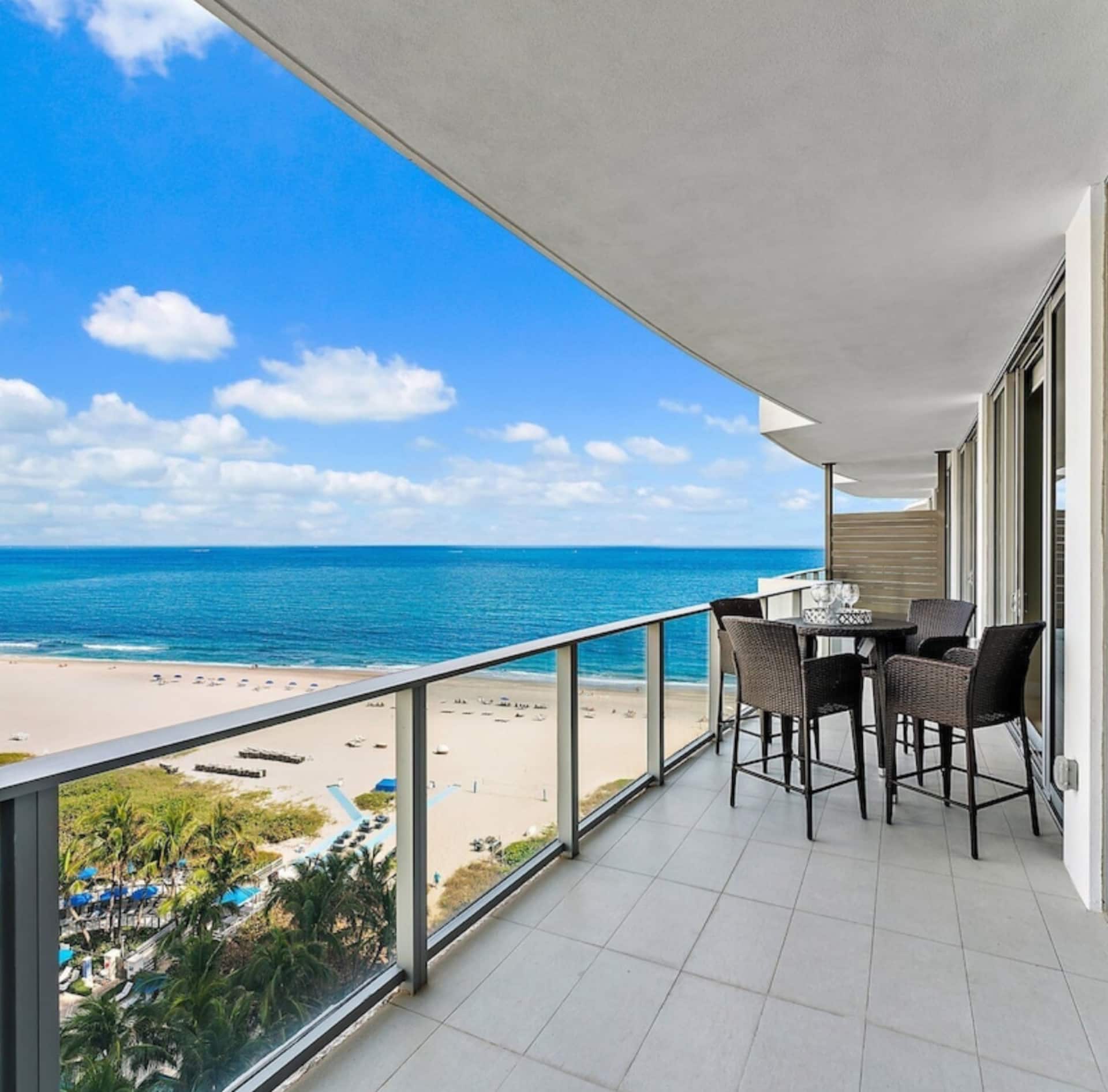
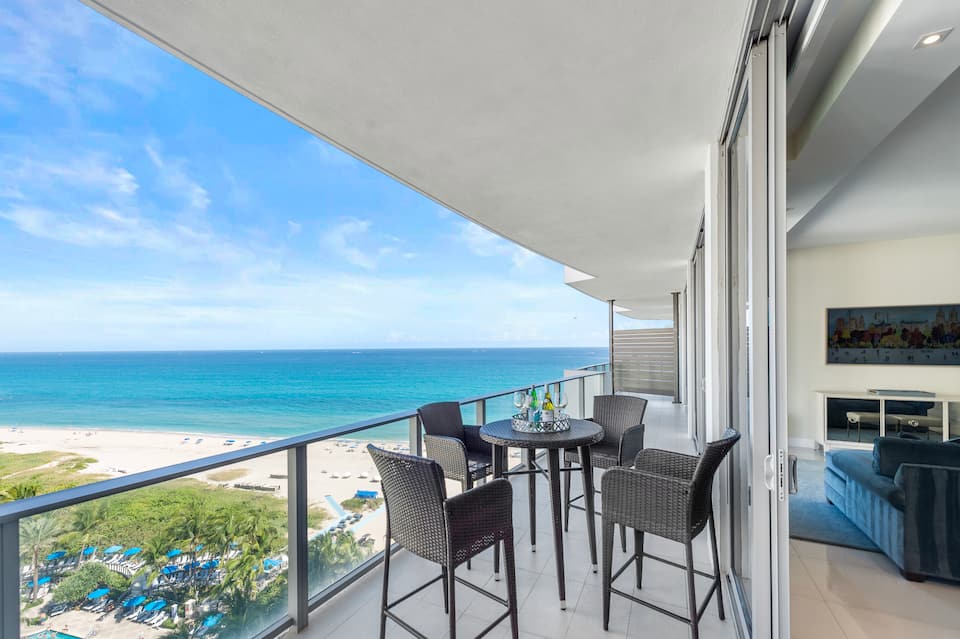
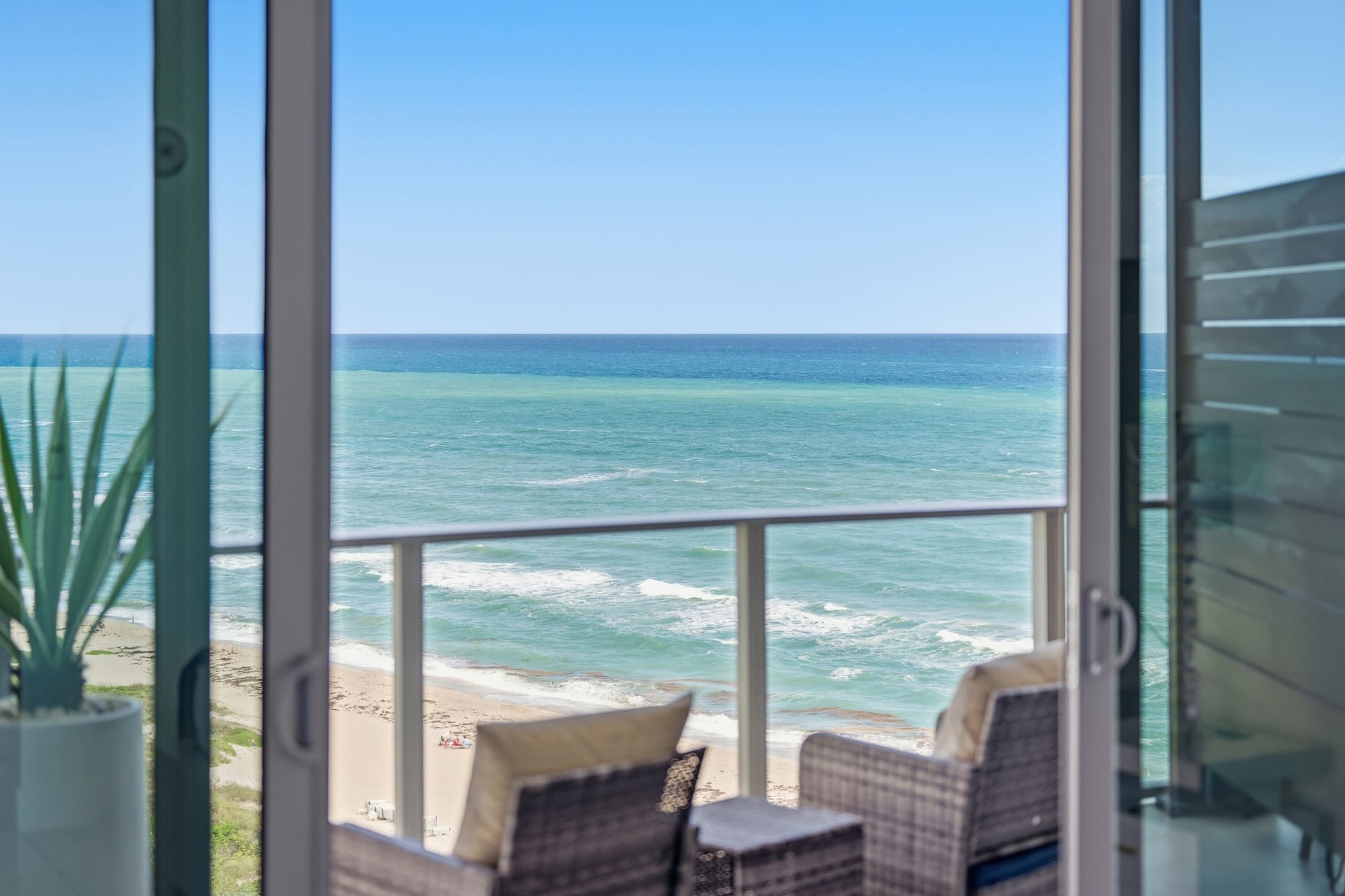
The beach day ends twelve floors up. Rinse the salt off at the outdoor shower by the pools, take the elevator, and the balcony is waiting: the full width of the home, with lounge seating, a high dining table and the sand you spent the day on directly below. The sun sets behind the building, but the evening color lands on the water and the coastline in front of you, and it lasts.
Closing the day
- Dinner outside at the balcony table, from the Miele kitchen or a delivery, or a few minutes' walk to the casual seafood tables the island restaurants guide names.
- The salt room or the circuit an elevator ride down, booked with the resort, for the legs that swam out to the reef.
- Lights low after dark in turtle season, with the curtains drawn if the room is lit, so the beach below stays dark for the nests.
The beaches guide covers the public beaches and the state park for the days you want a different stretch of sand.
Common questions
Is the beach in front of the resort private?
It is served by the resort's beach attendants, who set up chairs and umbrellas and bring towels, food and drinks to your chair, and beach essentials are part of the stay. Below the high-tide line, as on every Florida beach, the sand is public, so walkers pass along the water.
What do we need to bring down to the beach?
Sunscreen, a hat, water and something to read. Loungers, an umbrella and towels are set up by the attendants, and the residence is an elevator ride away for anything else. For the public beaches and the state park, bring your own shade, water and a cooler.
Can children snorkel at Ocean Reef Park?
The reef sits a little way out, so it suits confident swimmers with fins and an adult alongside. The snorkel trail at the Blue Heron Bridge and the Peanut Island lagoon are shallower places to start. The listing's note about infants and small children concerns the balcony, not the water.
Reserve the beach week
A private two-bedroom home on the twelfth floor of the Happiness Tower: floor-to-ceiling ocean views, a wide balcony, and the resort's wellness centre an elevator ride below. Dates and rates are on Airbnb.
OASENA is a privately owned residence within Amrit Ocean Resort & Residences and is not operated by, affiliated with, or endorsed by the resort. See credits & notes.