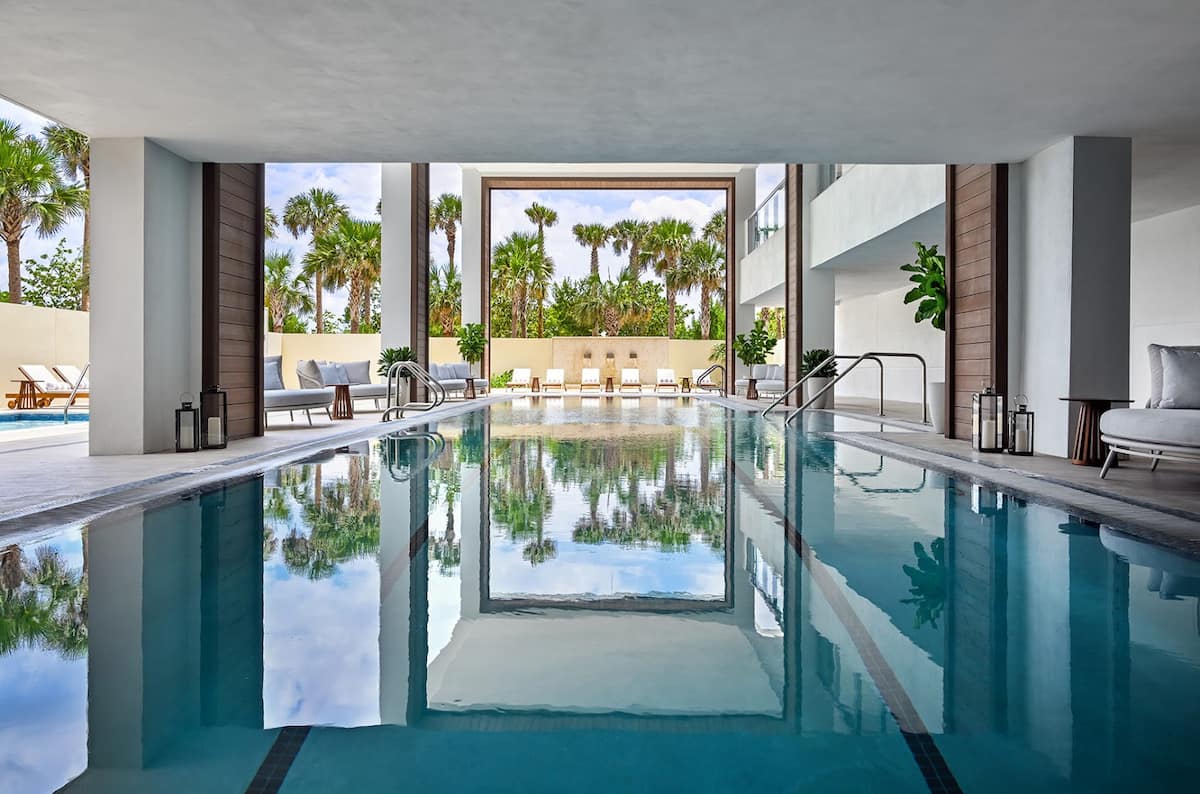
Hydrothermal Bathing and Contrast Therapy: The Aayush Circuit
A short elevator ride below the residence, the Aayush circuit lets you move through heat, cold and rest in the old order of the bath house. Here is what hydrothermal bathing is, where the ritual came from, what the science honestly supports, and how to walk the stations well.
01What hydrothermal bathing is
Hydrothermal bathing is the old idea that you can do a great deal for the body with nothing more than hot water, cold water, warm air and time. It is not one treatment but a sequence. You warm the body deeply, cool it sharply, then rest and let it settle, and you repeat that arc a few times over an unhurried hour or two. The heat opens you up. The cold wakes you. The rest is where the good feeling arrives. Move through all three in order and the sum is far larger than any single station on its own.
At Amrit, that sequence has a name and a home: the Aayush Hydrothermal Experience, a self-guided circuit a short elevator ride below OASENA. It is a loop of stations rather than a single room you sit in — hot and cold replenishment pools, a hydro-reflexology aquatic path, a salt inhalation chamber, arctic chill fountains, an effusion shower and a sauna. There is no therapist standing over you and no fixed schedule. You are handed the circuit and left to walk it at your own pace, which the resort suggests taking somewhere between ninety minutes and two hours.
The phrase people reach for is contrast bathing, and it captures the heart of the thing: the point is the swing between temperatures, not any one extreme. A sauna on its own is a fine way to spend fifteen minutes. A cold plunge on its own is bracing. But the tradition — Roman, Nordic, Turkish, Japanese — has always understood the two as a pair, hot then cold then warmth again, and it built whole buildings around moving bathers through that rhythm.
What it is not
- It is not a medical treatment. This is a wellness practice with a long history, not a therapy prescribed for a disease, and it should never replace care your doctor has given you.
- It is not an endurance test. The goal is not the coldest plunge or the longest sit in the heat. Comfort and repetition matter more than extremes, and pushing past either usually spoils the effect.
- It is not something to rush. Most of the benefit lives in the quiet minutes between stations, so the circuit rewards a slow, screen-free morning far more than a quick dip on the way to the beach.
The setting does a quiet part of the work. The circuit is dim, warm and low-voiced, with the Atlantic somewhere overhead, and the stations are close enough together that you are never left cold and wet and lost, looking for the next one. That ease is deliberate. The less you have to think about logistics, the more completely you can hand yourself over to the simple sequence of getting warm, getting cold and resting, which is the only thing the circuit really asks of you.
Read the rest of this guide as a walk-through: where the ritual came from, what happens inside the body when you heat and cool it, what the research does and does not support, how to move through each station in order, and who ought to check with a doctor before starting. If you remember only one thing, remember the shape — warm, cold, rest, repeat — because that shape is the whole practice, and it has been for two thousand years.
02A very old human habit
Almost every culture that could get its hands on hot water built a ritual around it, and most of them arrived at the same conclusion independently: heat, then cold, then rest, in company, unhurried. The circuit below the residence is a modern, refined version of a habit older than plumbing.
The Roman thermae. The Romans turned bathing into civic architecture. A bather worked through a sequence of rooms — the caldarium, hot and steamy; the tepidarium, warm and transitional; and the frigidarium, with its cold plunge — often finishing with a swim and a massage with oil. The baths were where the city met to talk, exercise and do business. The idea of a graded walk from hot to cold, which you will follow at Amrit, is essentially Roman.
The Turkish hammam. When Rome faded, the ritual carried on and was reshaped across the Ottoman world into the hammam. Bathers move from a warm room to a hot one, lie on a heated marble platform, are scrubbed and lathered, then cool down and rest with tea. Amrit offers a dedicated Moroccan Hammam ritual as its own treatment, but the logic of hot rooms and slow cooling runs straight through the hydrothermal circuit too.
Snow, steam and hot springs
- The Nordic sauna. In Finland the sauna is not a luxury but a room in ordinary life, close to a million of them for a small country. You heat until you glow, then step out to roll in snow or drop into a cold lake, then return. The Finnish word for the burst of steam off the hot stones is loyly. This heat-and-plunge pairing is the clearest living ancestor of contrast bathing.
- The Japanese onsen and sento. Japan built its bathing culture around volcanic hot springs, the onsen, and neighborhood bath houses, the sento. The etiquette is exacting: you wash and rinse thoroughly before you ever enter the shared water, which is for soaking, not cleaning. The emphasis on cleanliness and quiet carries into any good modern spa.
- The Russian banya and beyond. The Russian banya, with its birch-branch whisk and cold pool, and bathing traditions from the Middle East to Scandinavia all land on the same rhythm of heat, cold and rest among friends.
What every one of these traditions understood, long before anyone measured a heart rate, is that the pleasure and the calm are not in the heat or the cold alone. They are in the contrast and in the rest afterward. A contemporary hydrothermal circuit simply gathers all of those old rooms under one roof, sets them a few steps apart, and lets you move between them in your bathrobe rather than crossing a snowy yard.
These were never fringe practices. For centuries, in city after city, the bath house was ordinary infrastructure — somewhere between a gym, a social club and a place of health — and the graded walk through hot and cold rooms was simply how a person cleaned and restored themselves at the end of a day. When you read the modern research on heat and cold, it helps to remember that the ritual long predates the studies, and that people kept it up across cultures and centuries for the plainest of reasons: it made them feel better, and they wanted to feel that way again.
03How it is thought to work
The body treats a hydrothermal circuit as a series of small, controlled stresses, and much of what you feel is the response to those stresses rather than the heat or cold itself. The mechanisms are well understood in broad strokes, even where the long-term benefits are still debated.
Heat widens the pipes. Sit in a sauna or a hot pool and your skin flushes because the blood vessels near the surface dilate to shed heat. Your heart rate climbs, your output of blood rises, and you begin to sweat — a mild cardiovascular load that some researchers compare to gentle exercise. Deep warming also raises your core temperature slightly, which is thought to prompt the production of heat shock proteins, molecules involved in repairing and protecting cells.
Cold narrows them. Step into a cold plunge and the opposite happens fast. Surface vessels constrict to keep warm blood at the core, blood pressure briefly rises, and your breathing catches. The cold triggers a release of norepinephrine, a signaling chemical linked to alertness and mood, which is a large part of why people climb out of a cold plunge feeling switched on and clear-headed.
The pump and the rebound
Alternate the two and you get the effect the tradition is built on. Heat opens the vessels, cold closes them, and repeating the swing works the circulation like a pump, moving blood through skin, muscle and limb. This is the proposed basis for the recovery people chase with contrast therapy.
- The parasympathetic rebound. The most reliable feeling — the deep, loose calm afterward — comes in the rest. After the body has been heated and cooled, the nervous system tends to swing from its alert, sympathetic mode toward the parasympathetic, rest-and-recover mode. That shift is what melts your shoulders down from your ears.
- A flush of endorphins. Both strong heat and cold prompt the release of the body's own feel-good chemistry, which lifts mood and dulls minor aches for a while afterward.
- Slower, deeper breathing. Learning to keep your breath calm in the cold, then letting it lengthen in the rest, nudges the whole system toward that same recovered state.
A useful way to picture the whole thing is a set of gentle, deliberate oscillations. Each swing from hot to cold asks the circulation, the heart and the nervous system to adapt quickly and then recover, and it is the recovery — the return to a calm, warm baseline — that seems to leave the pleasant after-effect. Nothing here is forced or extreme when it is done sensibly. The doses of heat and cold are small enough that a healthy body absorbs them easily and, if anything, seems to enjoy the practice of adapting to them.
It is worth saying clearly that these are the well-supported short-term mechanisms — the physiology of a single session. Whether repeating them for years changes your long-term health is a separate and more cautious question, which the next section takes on honestly. For the length of a morning, though, the loosened muscles, the clear head and the settled nervous system are real and easy to feel.
04What the evidence does and doesn't say
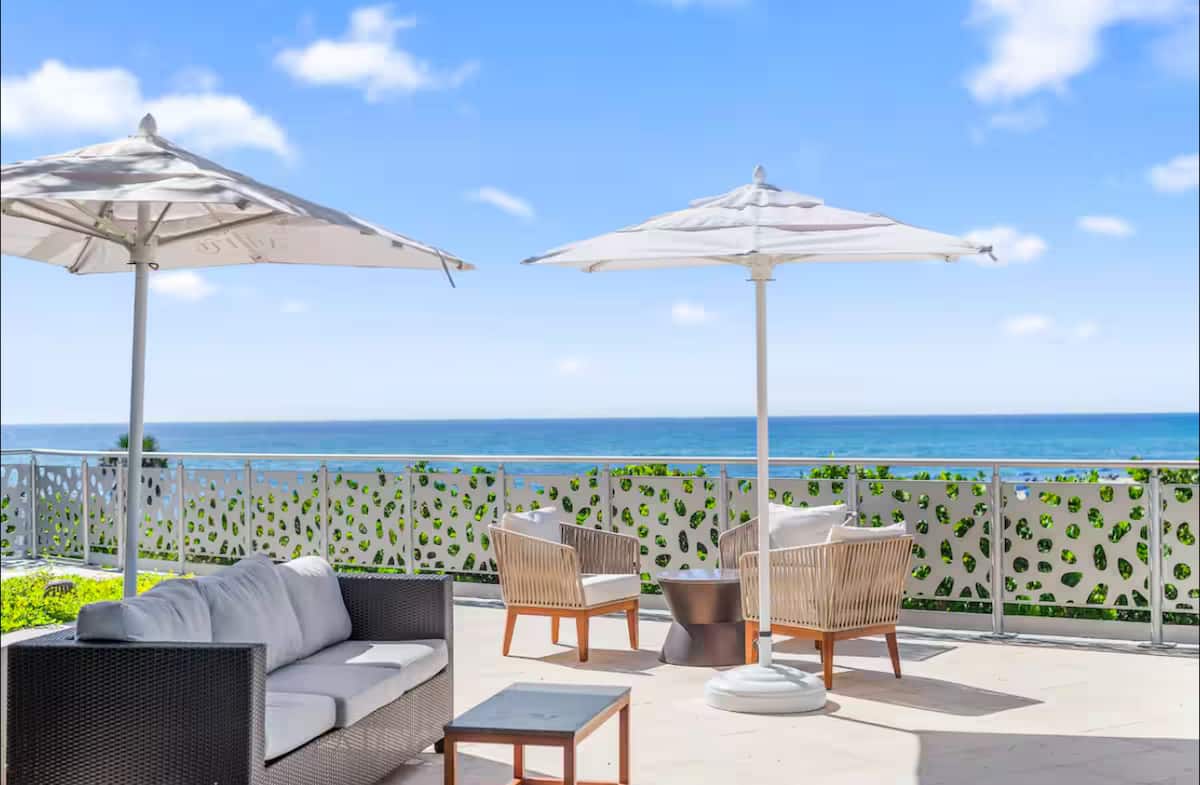
This is the part worth being straight about, because hydrothermal bathing attracts big claims and the research is uneven. Some of it is strong. A good deal of it is thin, mixed or still catching up to the enthusiasm.
The sauna evidence is the most encouraging. The best-known work comes from long-running studies of Finnish men, where researchers followed thousands of sauna users for years. They found that people who used a sauna more often — four to seven times a week rather than once — had a lower risk of cardiovascular events and lower all-cause mortality over the study period. Related work has reported associations with lower blood pressure and better markers of heart health.
That is real and interesting, but read it carefully. These are observational studies, which show an association, not proof of cause. Frequent sauna users in Finland may simply be healthier, more relaxed or more able to spend time on themselves to begin with. The findings come from a specific population with a lifelong sauna culture, and they may not transfer neatly to an occasional visitor to a Florida spa. The signal is promising and consistent; it is not a prescription.
Contrast therapy and recovery: mixed
The claim that alternating hot and cold speeds muscle recovery is popular with athletes, and the research is mixed. Some small studies suggest contrast water therapy can modestly ease muscle soreness and the feeling of fatigue after hard exercise. Others find little benefit beyond rest, or no meaningful edge over cold water alone. The honest summary is that any effect is probably small, varies from person to person, and is not the settled science the marketing implies.
- Relaxation and sleep. The calming, sleep-friendly effect that people report after a heat-and-cold session is plausible and consistent with the physiology, though most of the supporting evidence is short-term and subjective rather than from large trials.
- Mood and alertness. The lift many feel after cold immersion lines up with the known release of norepinephrine and endorphins. It is a real short-term effect; claims that it treats depression or anxiety go well beyond the data.
- Everything else. Be skeptical of talk about detoxing, melting fat, or curing disease through bathing. Sweat is not how the body clears toxins, and no plunge pool treats an illness.
A fair rule of thumb runs like this: the closer a claim stays to what you can feel in a single session — calm, alertness, looser muscles, easier sleep — the more you can trust it. The further it reaches — curing conditions, detoxing, reversing aging — the more skeptical you should be. The sauna's heart-health signal sits honestly in between: promising enough to take seriously, uncertain enough that no one should treat it as a promise or a substitute for the basics of a healthy life.
So where does that leave a reasonable person? Hydrothermal bathing is a well-tolerated, deeply pleasant practice with encouraging but not conclusive evidence for heart health, a modest and mixed case for recovery, and a reliable, if hard-to-measure, gift for relaxation. Enjoy it for what it clearly gives you — calm, clarity, loosened muscles, a better night's sleep — and hold the bigger health claims lightly.
The heat opens you, the cold wakes you, and the rest between them is where the good feeling arrives.
On the Aayush circuit at Amrit
05Walking the stations, in order
The Aayush circuit is a set of stations set a few steps apart, and the pleasure comes from moving through them in a sensible order rather than treating any one as the destination. Here is what each station is and where it tends to fall in the sequence. Nothing here is compulsory; think of it as a map, not a rulebook.
- The sauna. Start here to warm the body through. Dry or gently steamy heat raises your core temperature, loosens muscles and starts the sweat. Ten to fifteen minutes is plenty for most people on the first round; sit low if the top bench feels too strong, and leave the moment you feel light-headed.
- The effusion shower. A transitional station between hot and cold. Warm water pours over the body in changing patterns, often scented, rinsing off sweat and easing you toward the cooler stations without the shock of a plunge.
- The hot replenishment pool. A warm soak that keeps the body open and the muscles loose. It is the gentlest way to hold the heat and a good place to linger and breathe before the first cold station.
- The cold replenishment and plunge pools. The heart of the contrast. A short, sharp immersion in cold water — a slow count rather than a long soak — closes the vessels, quickens the breath and leaves you tingling. Keep it brief and controlled; this is not a competition.
- The arctic chill fountains. A softer way to cool, and a good alternative if a full plunge is too much. Cool or crushed-ice water is applied to the skin, dropping your surface temperature gradually rather than all at once.
- The hydro-reflexology aquatic path. A shallow walking channel, often alternating warm and cool water underfoot, with textured or pebbled flooring to work the soles of the feet as you wade. It keeps the legs moving and the circulation going between the more intense stations.
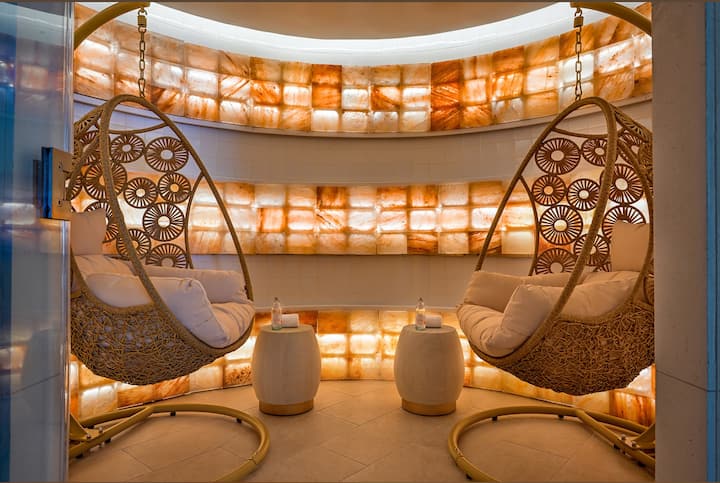
- The salt inhalation chamber. A quiet room where fine, dry salt mist fills the air. It makes a natural resting station: you sit, breathe slowly and let the body settle before you decide whether to go around again.
Between the more intense stations, do not underestimate the quieter ones. The aquatic path and the effusion shower are not filler. They keep the body moving and the transition gentle, which is exactly what lets you go around again without tipping into fatigue, and they give the plunge somewhere pleasant to lead.
There is no single correct route
The order above is a good default — warm through, cool down, rest — but the circuit is self-guided for a reason. On a hot day you might spend longer in the cold stations and the aquatic path and less in the sauna. If you dislike the plunge, lean on the effusion shower and the chill fountains instead. What matters is the pattern, not the particular pool: heat your body, cool it, then give yourself real minutes to rest before you repeat. Most people find two or three full rounds fills the suggested ninety minutes to two hours comfortably, with the salt room or a relaxation lounge as the closing station.
06The rhythm: warm, cold, rest, repeat
The stations are only half the practice. The other half is the rhythm you move through them in, and getting the rhythm right is what separates a restorative morning from a rushed few dips. The whole method fits in four words: warm, cold, rest, repeat.
One round, step by step
- Warm up (about 10–15 minutes). Sit in the sauna or soak in the hot pool until you are thoroughly warm and have begun to sweat. You are looking for a comfortable glow, not the edge of your tolerance. Leave before you feel dizzy.
- Cool down (1–3 minutes). Move to a cold plunge or the chill fountains. Keep it short and controlled — a slow count is enough. Let your breath catch, then deliberately slow it. This is the station people overdo; brief and repeated beats long and grim.
- Rest (5–15 minutes). This is the one nobody should skip. Sit or lie somewhere neutral — a relaxation lounge, the salt room, the aquatic path at a stroll — and let your heart rate and breathing come down. The loose, calm feeling everyone comes for lives in this pause, not in the heat or the cold.
- Repeat. Go around two or three times as your energy allows. Many people find the second round the sweetest, once the body knows the pattern.
Hydration and timing
- Drink water throughout. You sweat more than you notice, and the dry salt room adds to it. Sip before you start and between rounds; bring a bottle if the circuit allows.
- Come lightly fed, not stuffed or starving. A heavy meal sits badly in the heat; an empty stomach can leave you shaky. A light snack an hour before is ideal.
- Skip alcohol. It works against you in both the heat and the cold and blunts your sense of when to stop.
- Give it real time. The circuit is designed around ninety minutes to two hours. Rushing it in twenty minutes throws away most of the benefit.
Learn to read the two ends of the swing, and you will never need a clock. In the heat, the signal to leave is the first hint of light-headedness or a pounding pulse, not the timer on the wall. In the cold, the signal is that first sharp catch of the breath followed by a slow, deliberate exhale. Once you have found and steadied that breath, you have had the benefit and can climb out. Chasing more of either rarely adds anything, and it often costs you the very calm you came down for.
Etiquette
A hydrothermal circuit is a shared, quiet space, and a little courtesy keeps it that way. Rinse in the shower before you enter the pools, as the Japanese and Nordic traditions insist. Keep your voice low and your phone in the locker. Wear what the resort asks — a swimsuit is standard on a mixed circuit. Sit on a towel in the sauna, wring out your suit before the plunge if asked, and give other guests space at each station. Follow the posted rules and any staff guidance; they exist to keep the water clean and everyone comfortable.
07What people feel
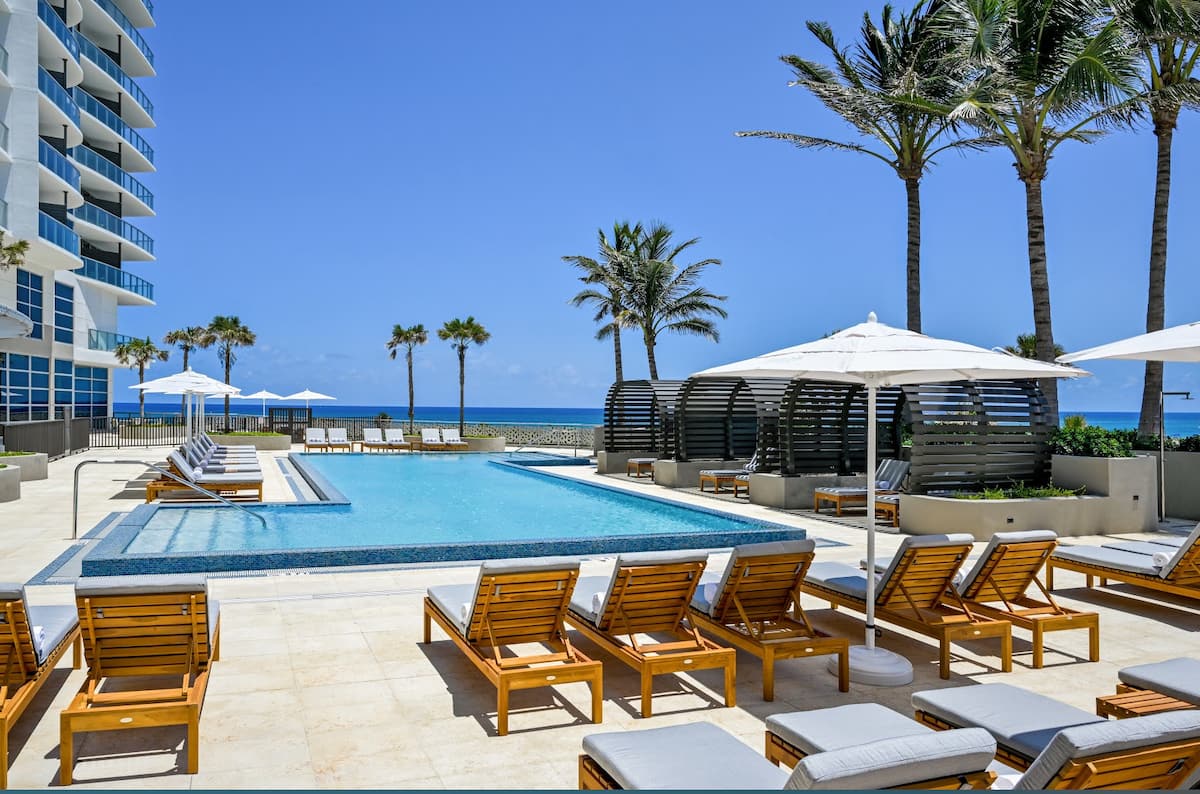
Set aside the bigger health claims and there is a short, honest list of things people reliably notice after an hour on the circuit. These are the reasons the practice has survived for two thousand years, and none of them require you to believe anything the evidence has not earned.
- Deep, physical calm. The most common report, and the best supported by the physiology, is a loose, unwound feeling that arrives in the rest between stations. Shoulders drop, the jaw softens, the mind quiets. It is the parasympathetic rebound made personal.
- A clear, alert head. The cold plunge does the opposite of the heat, and many people finish a round feeling sharp and wide awake, the mental fog of travel or a heavy morning burned off.
- Loosened, easier muscles. Whether or not contrast bathing measurably speeds recovery, the warmth clearly relaxes tight muscles and the movement between stations keeps the body limber. After a long flight or a hard beach walk, it feels like a reset.
- Better sleep that night. A great many people sleep unusually well after a thorough heat-and-cold session. The warming and cooling of the body's core is thought to help cue the natural temperature drop that ushers in sleep.
- A small, steady lift in mood. The endorphin and norepinephrine response leaves most people in a noticeably better temper for the rest of the day.
- A gentle appetite and easier digestion. Many people finish the circuit pleasantly hungry and settled, ready for a light, simple meal rather than a heavy one.
None of these is dramatic, and that is the point. The circuit does not promise to change your life. It reliably improves an afternoon and often the night that follows, which is a great deal more than most things you can do in ninety minutes. Regular users tend to describe the effect building a little over a stay — each session slightly easier to sink into than the last, the rest a bit deeper, the sleep a bit better — rather than arriving as a single revelation. On a week at the residence, three or four relaxed visits usually leaves people calmer and better rested than they arrived.
Why the setting matters
It is worth naming something the studies never capture: much of what a circuit gives you is inseparable from the hour itself. This is protected time with no screen, no schedule and nothing to accomplish but move your body through warm and cold water and then rest. In ordinary life, an hour like that is rare. On vacation, framed by the Atlantic and reachable without leaving the building, it becomes almost effortless.
So the fair way to think about benefits is layered. There is the physiology — real, short-term, measurable in a single session. There is the encouraging but unproven possibility of longer-term gains, mostly from the sauna research. And there is the plain, reliable pleasure of a slow, warm, restful morning, which needs no science to justify it. For most guests, the third layer alone is reason enough, and the first two are a welcome bonus.
08Who it suits — and who should ask first
Hydrothermal bathing suits most healthy adults, and it is gentle enough to enjoy at whatever intensity you like — you can lean into the heat and the plunges, or keep to the warm pools, the aquatic path and the salt room and skip the cold entirely. But heat and cold are real stresses on the heart and circulation, and a few people should be careful or check with a clinician before they start.
Ask your doctor first if you
- Have heart disease or a heart condition, including a history of heart attack, angina, an irregular heartbeat or heart failure. The sauna and especially the cold plunge briefly stress the cardiovascular system, and cold immersion can spike blood pressure and heart rate sharply.
- Have blood pressure that is high or poorly controlled, or take medication that affects blood pressure or heart rate. Heat and cold both move these numbers, sometimes quickly.
- Are pregnant. Deep heat that raises core temperature is generally discouraged in pregnancy, particularly early on. Talk to your obstetrician about what, if anything, is appropriate, and treat the strong heat and cold stations with caution.
- Have diabetes, poor circulation or reduced skin sensation, which can make it harder to judge how hot or cold a surface really is.
- Are managing any serious or acute condition, have a fever or infection, or have recently had surgery. Wait until you are well and cleared.
The reason the list of cautions centers on the heart is worth understanding, because it tells you how to be careful rather than just telling you to be. The cold plunge in particular causes a fast, involuntary gasp and a brief jump in blood pressure and heart rate. That is harmless for a healthy cardiovascular system, but a real consideration if yours is already under strain. The heat asks the opposite of the body, widening the vessels and dropping blood pressure, which can leave some people light-headed when they stand up. Knowing which way each station pushes you makes it much easier to use the circuit sensibly.
Sensible rules for everyone
- Never push through feeling faint, dizzy, sick or breathless. Those are signals to stop, cool to a neutral temperature, sit down and drink water.
- Keep the cold short. A long cold immersion is where the real risk lives. Brief and repeated is both safer and more effective than a single long, grim plunge.
- Don't go alone if you can help it, and let staff know if you feel off. A supervised spa circuit is far safer than a cold plunge by yourself.
- Ease children and older guests in gently, with shorter, milder rounds, and follow the resort's age policies.
- Skip it after alcohol, which blunts your judgment about heat and cold exactly when you need it.
None of this should scare a healthy person off. The circuit is designed to be self-paced precisely so that you can take only as much heat and cold as suits you on the day. Read your own body honestly, err toward the gentle end when in doubt, and the practice stays what it should be: restorative, not risky.
09The circuit below the residence
What makes the Aayush circuit unusual is less the water than the address. It sits inside a wellness centre of roughly 100,000 square feet, with 22 treatment rooms alongside the hydrothermal stations, and the whole thing is a short elevator ride below OASENA. You do not book a car, cross a parking lot or plan a drive home while your body is still loose and warm. You go down, you go around the circuit, and you come back up to your own kitchen and your own bed.
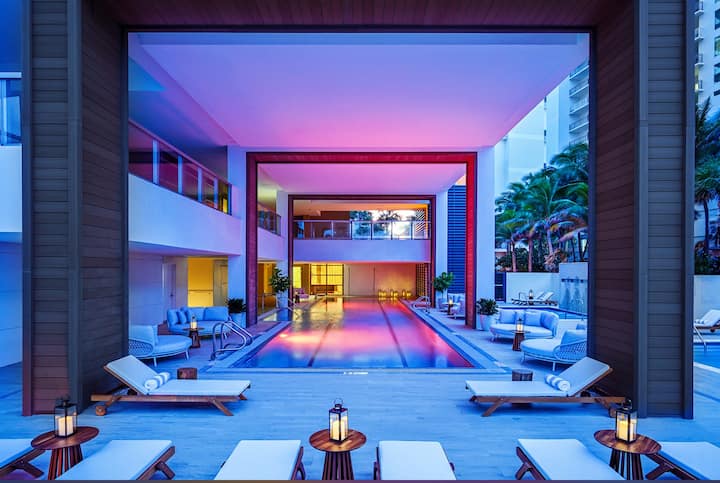
The stations are the ones this guide has walked: hot and cold replenishment pools, a hydro-reflexology aquatic path, the salt inhalation chamber, arctic chill fountains, an effusion shower and a sauna. The circuit is self-guided, with the resort suggesting ninety minutes to two hours for the full experience, so you set your own pace and your own number of rounds.
How access works for residence guests
- Preferred rates. Guests of the residence reach the wellness centre at preferred rates, with access subject to the resort's own terms and scheduling.
- It sits beside everything else. The same centre houses massage in its treatment rooms, advanced facials, a Moroccan Hammam ritual, and a suite of regenerative and touchless therapies. The hydrothermal circuit is an easy thing to fold around a massage or a quiet morning.
- Plan around demand. Because it is a shared circuit, it is worth asking the spa when it tends to be quietest and booking any paired treatments a little ahead, especially in the busy winter season.
One point of housekeeping, since the residence is a privately owned home rather than part of the resort's own program: OASENA is not operated by, affiliated with or endorsed by Amrit, and access to the spa runs on the resort's terms. In practice that simply means the circuit is a neighbor amenity you can reach easily, not a service run from the residence itself. For a guest, the effect is the best of both: a private, quiet home upstairs, and one of the more complete hydrothermal circuits in the region a single elevator ride below it.
It is a rare arrangement, and it changes the arithmetic of the whole thing. Most people who want a hydrothermal circuit of this scale have to make a day of it — drive somewhere, buy a day pass, plan around opening and closing times. Here the barrier is an elevator. When the cost of going down is a few minutes and a robe rather than a whole outing, the circuit stops being a special event you save up for and becomes something you can dip into often and lightly, which is exactly how the practice works best.
Used well, that proximity changes what the circuit is for. It stops being a special outing you psych yourself up for and becomes something closer to a daily habit — twenty unhurried minutes in the warm pool before breakfast, a full slow round on a rainy afternoon, a short heat-and-cold reset after a day in the sun. The building does the logistics so you can keep the ritual simple.
10How it fits with the rest of the spa
The hydrothermal circuit is the spine of a wellness day, and most of the other services around it pair naturally with the heat-and-cold rhythm. A little planning turns a good hour into a restorative half day.
Natural pairings
- Circuit, then massage. The classic order, and for good reason. A round of heat and cold leaves the muscles warm and loose, which is the ideal state to walk into a Swedish or deep-tissue massage. Book the treatment for shortly after your last rest station and you arrive already unwound.
- The sauna, studied on its own. If the heart-health research is what draws you, the sauna is the station with the strongest evidence behind it. It is worth understanding in its own right, and it rewards a slower, more deliberate use than a quick pass on the circuit.
- The cold plunge and the arctic chill. The cold stations are the ones people most often misjudge. If you want to use them well — and understand what the mood-and-recovery research shows — treat cold immersion as its own small practice, kept brief and controlled.
- The salt room as your rest station. The salt inhalation chamber doubles neatly as the quiet resting phase of the circuit. Dry salt therapy has its own gentle history and modest evidence, and it makes a calm place to sit between rounds.
- The regenerative therapies. On a longevity-minded stay, some guests bracket the circuit with the centre's touchless therapies — red light, a nutrient IV, time in the float or the Ammortal chamber. There is no need to stack everything; a circuit and one considered treatment is usually a fuller day than trying to sample all of it.
- Facials and the Hammam. If you are already in a robe and unwound, the centre's advanced facials and its Moroccan Hammam ritual slot in easily on either side of a circuit, though again there is no need to do everything in a single day.
The other thing worth planning is the order of things within a day. Heat and cold late in the evening can leave some people too alert to sleep, so if you are sensitive to that, take the fuller circuit earlier and keep any evening visit short and warm-leaning. Massage, by contrast, is lovely at almost any hour, and it is the one treatment worth timing to follow the circuit rather than precede it. Beyond that, the sequence is forgiving. The centre is designed to be wandered, not marched through.
A note on comparisons
People sometimes ask which single thing to do if they only have an hour. The short answer is that the circuit itself is the best value of the bunch, because it gives you the heat, the cold and the rest in one self-guided loop with the strongest and most reliable payoff — deep calm and loosened muscles — for the least fuss. Add a massage if you have the time and the budget of hours. Save the standalone therapies for a day when you are curious and unhurried, not for the one window you have to relax.
11Folding it into a Singer Island day
The nicest thing about having the circuit downstairs is that you can build a day around it without the day ever feeling like a spa itinerary. Here are a few shapes that work, depending on the kind of morning or afternoon you want.
The slow morning
Come down mid-morning, before the beach heat peaks, in a robe and swimsuit with a bottle of water. Walk two or three unhurried rounds — sauna, a brief plunge, a long rest, repeat — and finish in the salt room or a relaxation lounge. Head back up loose and clear-headed, open the balcony doors, and let the Atlantic air finish the job. The rest of the day can be as gentle or as busy as you like; you have already done the good part.
The reset after the sun
After a day on the private beach, at Ocean Reef Park, or snorkeling the shore, the circuit is a fine way to take the heat and salt out of your body before dinner. Keep this version short: a warm soak to ease tired muscles, one cool plunge to sharpen up, and a rest. You will walk into the evening feeling like you started the day over.
The rainy afternoon
Florida afternoons in summer bring quick storms, and a passing squall is the perfect excuse for a longer, fuller circuit. With nowhere to be, take the whole ninety minutes to two hours, add a massage in one of the treatment rooms afterward, and let the weather pass while you are somewhere warm.
- Bracket it with the sea. A short beach walk before and a quiet terrace after make the circuit feel like part of the island rather than an indoor errand.
- Refuel simply afterward. Something light and fresh sits best on a warmed, relaxed body — a plant-forward lunch at the resort's own restaurant, a stone-crab or grouper dinner on the water in season, or an easy meal cooked in the residence kitchen.
- Let it improve the evening. Because a good circuit tends to help you sleep, it pairs especially well with an early, unhurried dinner rather than a late, loud one.
Used this way, the Aayush circuit stops being a thing you visit and becomes part of the rhythm of the place — warm water, cold water, rest, and the ocean a slider-door away when you come back up. That is the whole promise of hydrothermal bathing, and here it happens to live one floor after another below your own front door.
There is also the simplest version of all, which needs no plan at all: a single warm soak with nothing after it. On a quiet evening you can go down, sit in the hot pool for twenty minutes, and come straight back up. It will not tick every box in this guide, but it will loosen your shoulders and set you up to sleep, and some nights that is precisely the right amount of ritual. The circuit is generous that way. It gives you as much or as little as you ask of it, and asks nothing of you in return but the time.
Common questions
How long should I spend on the circuit, and in what order?
Plan for the ninety minutes to two hours the resort suggests. Follow the pattern <strong>warm, cold, rest, repeat</strong>: warm through in the sauna or hot pool for ten to fifteen minutes, cool off briefly in a plunge or the chill fountains, then rest for several minutes before going around again. Two or three unhurried rounds is a full session for most people.
Do I have to do the cold plunge?
No. The circuit is self-guided, so you can take as much or as little cold as you like. If a full plunge is too much, use the effusion shower and the arctic chill fountains to cool more gently, or lean on the warm pools, the aquatic path and the salt room and skip the cold entirely. Keep any cold immersion short and controlled.
Is contrast bathing good for you, or is that hype?
Some of it is well supported and some is not. The long-term sauna research on heart health is encouraging but observational, so it shows association rather than proof. The recovery claims for contrast therapy are modest and mixed. What is reliable is the short-term result: deep relaxation, a clearer head, looser muscles and often better sleep. Enjoy it for that, and hold the bigger health claims lightly.
Who should be careful or check with a doctor first?
Ask your doctor before using the heat and cold stations if you have <strong>heart disease, high or poorly controlled blood pressure, or are pregnant</strong>, and be cautious with diabetes, poor circulation, a fever or infection, or after recent surgery. For everyone, keep the cold brief, never push through feeling faint or breathless, skip it after alcohol, and stay well hydrated.
A note on wellness & health
This guide is general information about therapies offered at the resort spa, not medical advice, diagnosis or treatment. Wellness services are elective and results vary from person to person. Talk with a qualified healthcare professional before starting any new therapy, especially if you are pregnant or managing a medical condition. OASENA is privately owned and is not operated by, affiliated with, or endorsed by Amrit Ocean Resort & Residences. Spa access is offered to residence guests at preferred rates, subject to the resort’s terms and availability.
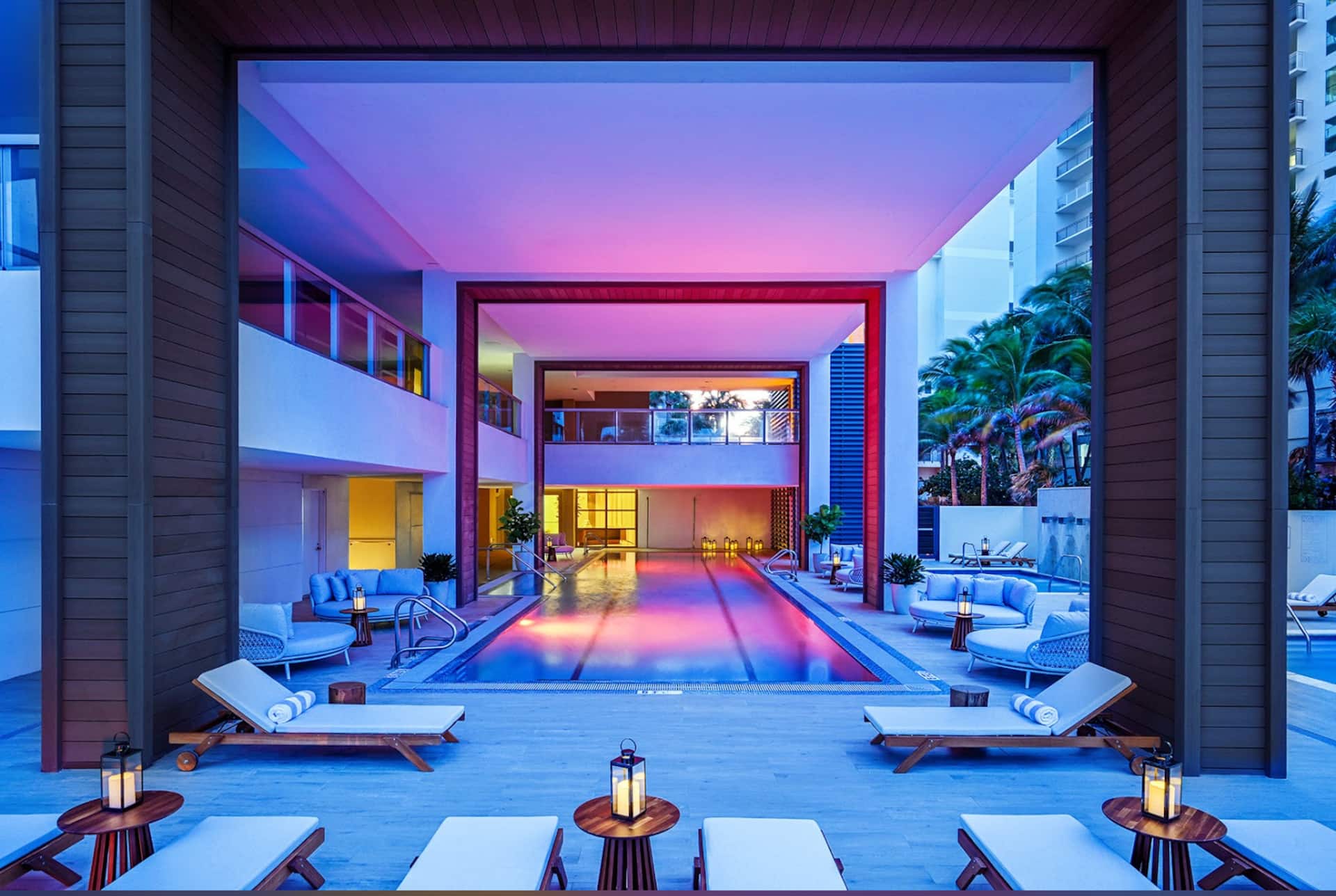
Your quiet address above the Atlantic
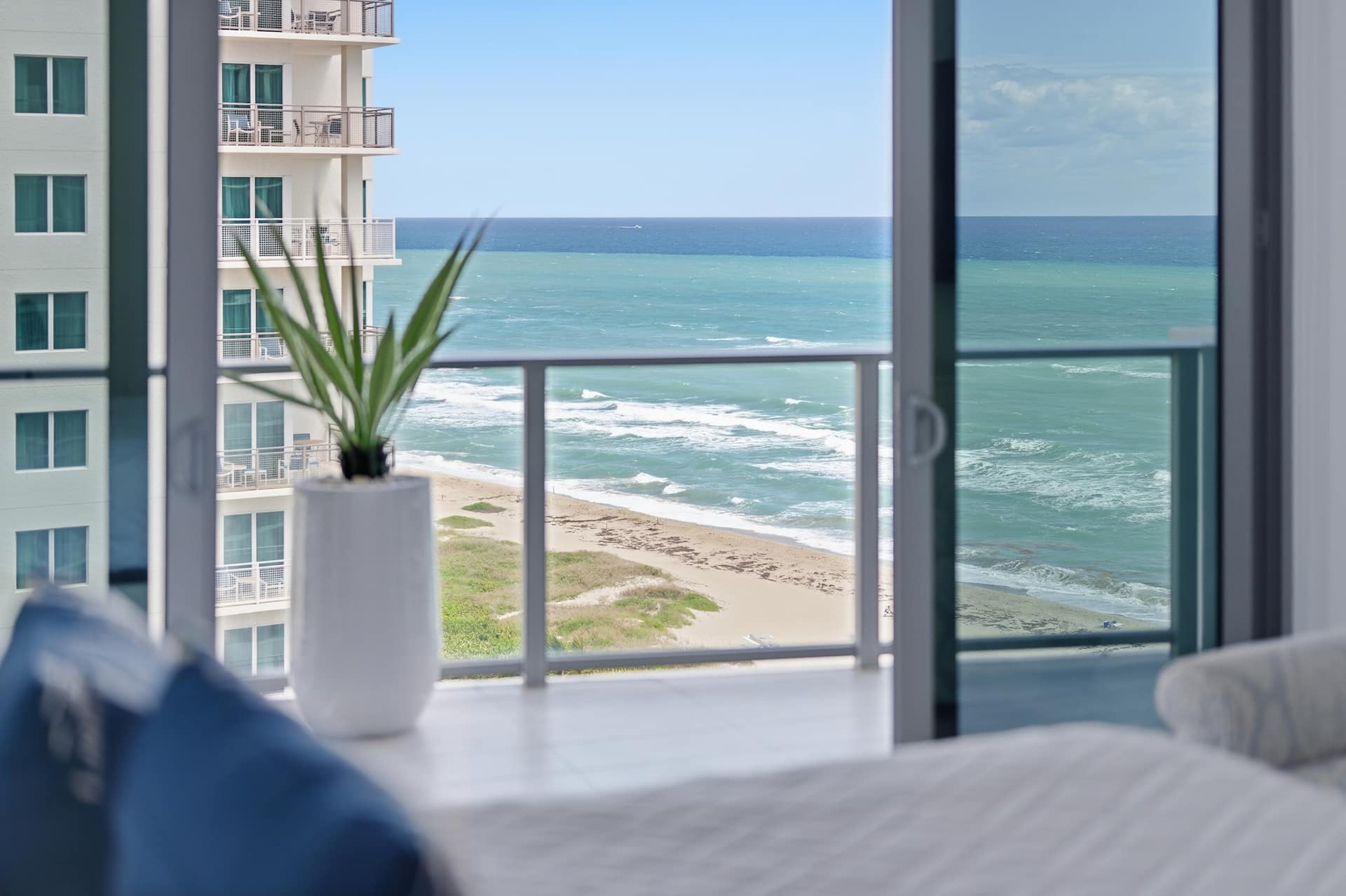
OASENA is a private two-bedroom home on the twelfth floor of the Happiness Tower — floor-to-ceiling ocean views, a sweeping balcony, and this entire wellness world an elevator ride below.
OASENA is a privately owned residence within Amrit Ocean Resort & Residences and is not operated by, affiliated with, or endorsed by the resort. See credits & notes.