Peanut Island
A man-made island in the mouth of the inlet, with a protected snorkel lagoon, a shaded loop trail, campsites, and a presidential fallout shelter. Here is how to do it right.
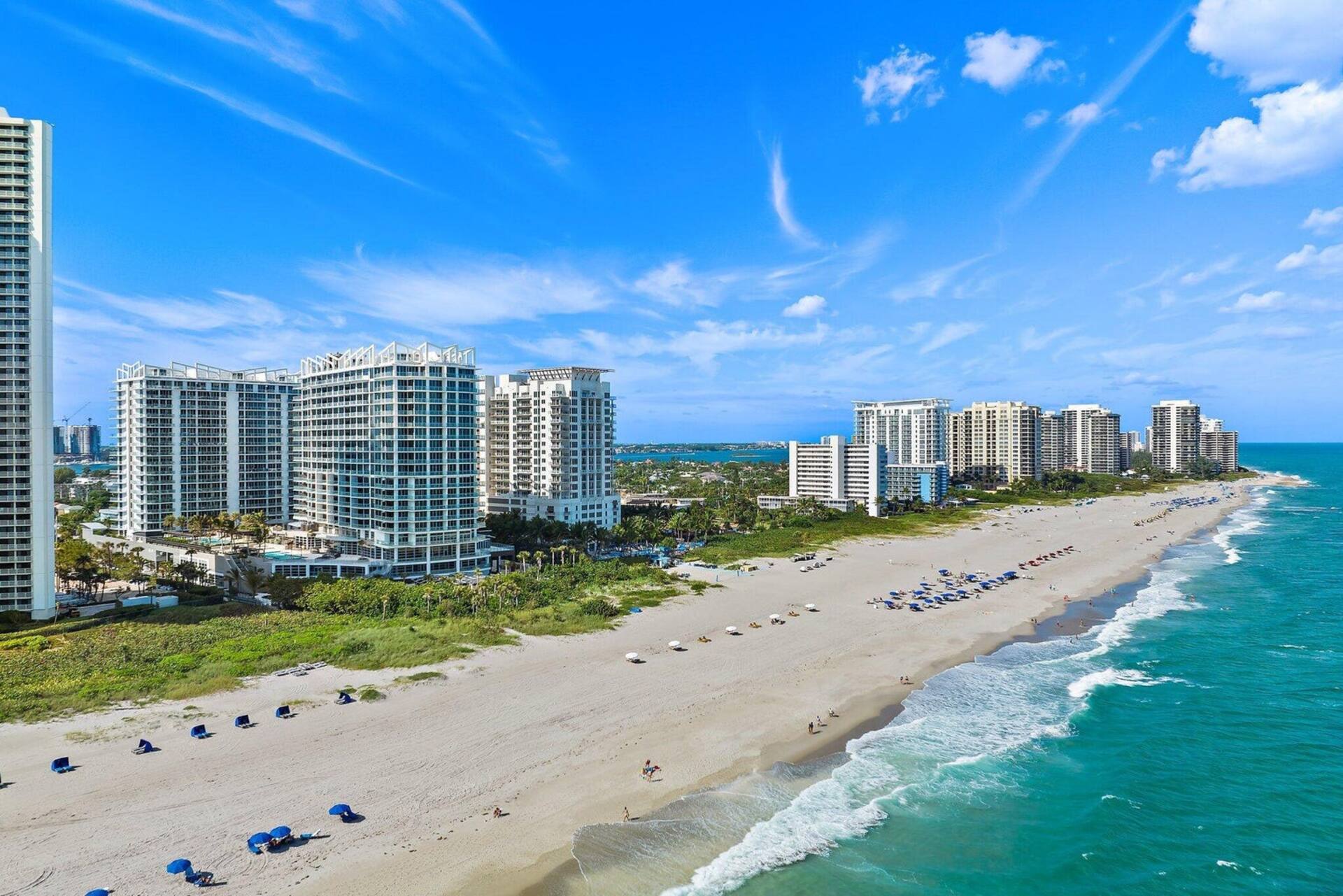
Sit on the balcony at Palm Beach Shores and look south toward the inlet, and you will see a low green island sitting in the middle of the water where the Lake Worth Lagoon opens to the sea. That is Peanut Island — seventy-nine acres of sand, sea grape, and the strangest little history on the whole coast. There is no bridge to it. You go by boat, which is half the point. And once you are there, you will find a protected snorkeling lagoon, a shaded loop trail, a campground, and — improbably — a nuclear fallout bunker built for a president. For a place you can walk around in half an hour, it packs in a remarkable amount of story.
IAn island made by accident
Peanut Island is not natural. It was created early in the twentieth century, around 1918, from the sand and spoil dredged up to open and deepen the Lake Worth Inlet — the channel that lets ocean water, and ships, into the Port of Palm Beach. When engineers cut and maintained that inlet, the material had to go somewhere; it went here, and slowly an island took shape in the mouth of the lagoon.
The odd name comes from an even odder plan. In its early days there was a scheme to ship peanut oil out of the new port, with the island as part of the operation. The peanut-oil business never amounted to much, but the name stuck — as names do — and the island has been Peanut Island ever since. It is a fitting origin for a place that has spent its whole life being repurposed: dredge pile, shipping dream, Coast Guard station, presidential bunker, and finally the beloved county park it is today.
That layered past is exactly what makes it worth a visit. Most Florida beach islands offer sand and not much else. Peanut Island offers sand, a good snorkel, and a genuine slice of Cold War history, all on the same short walk.
IIGetting there: the water taxi
Because there is no bridge, reaching Peanut Island is part of the adventure. You have two main options.
The easiest is the water taxi. Small shuttle boats run to the island from the marinas at the south end of Singer Island and from the Riviera Beach waterfront — a short, scenic hop across the inlet that drops you right at the island's dock. It is inexpensive, takes only a few minutes, and means you don't need your own boat or a plan for parking on the water. Schedules vary by season and operator, so check the day's times before you set out, and note the time of the last return trip so you are not stranded.
The second option, if you have access to one, is your own boat, kayak, or paddleboard. The island has a dock and, on its lagoon side, the shallow water and sandbar where boaters anchor for the day. Paddling across from Singer Island is very doable in calm conditions, but the inlet has real boat traffic and current — this is not a crossing for beginners or a windy day. If you paddle, hug the edges, wear a life vest, and give the channel and its ships a wide berth.
IIIThe snorkeling lagoon
For most visitors, the snorkeling lagoon is the reason to come. On the island's sheltered side, a man-made lagoon has been built and planted with reef so that it stays calm and clear, protected from the current and chop of the open inlet. The result is one of the friendliest places to snorkel in the whole area — shallow, protected, and full of fish.
Slip on a mask and you will drift over rock and reef busy with sergeant majors, snapper, parrotfish, the occasional angelfish, and sometimes a stingray half-buried in the sand or a sea turtle passing through. Because the water is shallow and calm, it is ideal for children and first-time snorkelers — a place to build confidence before you graduate to the reef at Ocean Reef Park or the famous Blue Heron Bridge dive nearby.
As always, the snorkel is best on a clean, calm day around high tide, when the water is clearest. Bring your own mask, snorkel, and fins — there is no reliable gear rental on the island — and reef-safe sunscreen to protect both your skin and the reef you came to see. A rash guard beats reapplying sunscreen every hour under the Florida sun.
What makes the lagoon so beginner-friendly is deliberate design. It was shaped and planted to stay calm and protected from the current that rips through the nearby inlet, and the reef and rock were placed to draw fish into water shallow enough that a nervous first-timer can stand up and catch their breath. That safety is exactly what lets children and new snorkelers relax and look, instead of fighting the water — and relaxed, unhurried looking is the whole skill of snorkeling.
Think of the lagoon as the first rung on a ladder. Get comfortable here, and you are ready to graduate to the nearshore reef at Ocean Reef Park, and then, on the right high tide, to the celebrated shallows under the Blue Heron Bridge a few minutes away. Many a lifelong snorkeler and diver got their start in exactly this kind of calm, protected water — and few starter lagoons anywhere come with an island, a loop trail, and a presidential bunker attached.
IVThe JFK bunker and the Cold War
Here is where Peanut Island turns strange. In 1961, at the height of the Cold War, Navy Seabees secretly built a fallout shelter on the island — a bunker code-named "Detachment Hotel," intended to protect President John F. Kennedy and his staff in the event of a nuclear attack. Kennedy wintered at the family compound in nearby Palm Beach, and the island, just across the water, was close enough to reach quickly by helicopter or boat. The bunker was stocked, staffed, and kept ready during the tensest years of the era, including the Cuban Missile Crisis.
The shelter still exists, a low mound with a blast door and a corrugated interior, along with the island's historic Coast Guard station dating to the 1930s. Together they have been preserved as a small maritime and historical museum, and guided tours of the bunker have been offered over the years — an eerie, fascinating look at what the end of the world was supposed to look like from a Florida sandbar. Access and tour schedules have changed over time, so it is worth confirming what is currently open before you count on a tour; even from the outside, the site is a remarkable thing to stand in front of.
A nuclear fallout bunker, built in secret for a president, sitting quietly on a dredge-spoil island you snorkel around on a Sunday afternoon.
VThe loop trail, fishing and camping
Beyond the lagoon and the bunker, the island is laced with easy ways to spend a few hours.
A paved loop trail runs the perimeter, a little over a mile around, flat and stroller-friendly, with boardwalks over the mangroves and interpretive signs along the way. It is an easy, breezy walk with water views the whole circuit, and it is the best way to take in the island's mix of restored native habitat and inlet vistas. Fishing is popular from the seawall and designated spots, where anglers work the current for snapper, snook, and whatever the tide brings through the inlet.
The island even offers camping: a small set of tent sites managed by Palm Beach County, reservable in advance, that let a lucky few spend the night on an island with the Palm Beach skyline glittering across the water. There are restrooms and picnic pavilions, but this is primitive camping — you bring everything, including water, and you pack it all back out. Waking up on Peanut Island, with the sun rising over the inlet and the first boats motoring past, is a singular Florida experience.
VIThe sandbar scene
On weekends and holidays, the shallow water off the island's lagoon side becomes the closest thing the county has to a floating town square. Boats of every size drop anchor on the sandbar, families wade in waist-deep water, music drifts across the flats, and the whole scene turns into a good-natured, all-day raft-up. It is Palm Beach County's signature warm-weekend ritual, and even if you are not on a boat, you will see it from the island — dozens of hulls swinging together on the tide.
If you have your own boat or book a charter, joining the sandbar is a rite of passage. If you don't, the island itself gives you a front-row seat, and the water-taxi beaches are calm and family-friendly regardless of how busy the anchorage gets. Either way, come earlier rather than later on a bright Saturday — both the boats and the water taxis fill up.
VIIPlanning your visit
Peanut Island rewards a little preparation, because it has beaches and history but very few services.
Pack in, pack out
There is no reliable food or drink for sale on the island — bring all the water and food you will need, plus sunscreen, and carry your trash back out with you. Shade is limited to the pavilions and the sea-grape trees, so a beach umbrella and hats make a big difference on a sunny day. Confirm the water-taxi schedule, and note the last return time so you don't miss the boat back.
The best conditions are a calm, clear, high-tide morning outside of stormy weather — that is when the lagoon snorkeling shines and the crossing is smoothest. Weekdays are far quieter than weekends. And if the bunker tour is running, it pairs perfectly with a morning snorkel and a picnic lunch on the loop trail for a full, varied day.
VIIIMaking a day of it
Peanut Island sits right in the middle of the island's most interesting water, so it slots naturally into a bigger day out. Combine it with the marinas and the fish-feeding docks of Palm Beach Shores (see the boating and marinas guide), with the world-class snorkeling under the Blue Heron Bridge a few minutes away, or with a drift-fishing trip out of the inlet from the fishing guide.
A classic itinerary: catch the morning water taxi over, snorkel the lagoon while the water is clear, walk the loop and see the bunker, picnic under the sea grapes, and ride back in the early afternoon before the wind builds — leaving the rest of the day for the beach or a nap. Few small islands anywhere give you sand, reef, and Cold War history in a single, easy outing. Peanut Island does, and it is right on your doorstep.
IXWhen to go, and the conditions
Peanut Island is an outdoor, on-the-water experience with almost no shelter, so conditions make or break the day. The three things to check before you go are the weather, the tide, and the day of the week.
Weather comes first. You want a calm, mostly sunny day with light wind — that keeps the crossing smooth and the snorkeling lagoon clear. In summer, go in the morning; the afternoon thunderstorms that build most days are no fun on an exposed sandbar, and lightning is a real reason to be back on the mainland by early afternoon. In the cooler, drier winter months the whole day is more reliable, though the water is chillier for snorkeling.
Tide matters for the snorkeling: a rising or high tide brings in the cleanest, clearest water, so aim your swim for the hours around high tide if you can. And the day of the week shapes the mood entirely. Weekdays are calm and uncrowded — you may have long stretches of trail to yourself. Weekends and holidays bring the full boating scene, with the sandbar packed and the water taxis running steadily; it is livelier and more fun for people-watching, but busier all around. Choose the version you want.
XA family island
Few outings on the coast are as naturally kid-friendly as Peanut Island, and that is worth spelling out, because parents are always looking for a day that entertains children without a lot of driving or expense.
The protected snorkeling lagoon is the headline: shallow, calm, roped off from current, and full of fish a child can see and name. It is a wonderful place for a first snorkel, where young swimmers can build confidence with their feet never far from the sand. Around it, the flat loop trail is easy for little legs and strollers, the boardwalks over the mangroves feel like an adventure, and there are pavilions for shade and picnics when everyone needs a break from the sun.
Add the novelty factor — you get here by boat — which to a child is half the thrill — plus a genuine fallout bunker to gawk at, and you have a full, varied day that costs little more than the water-taxi fare and a packed lunch. Bring water shoes for small feet on the rocks, plenty of snacks and water, and sun protection, and the island will do the rest.
XIThe wildlife you'll see
Peanut Island is a restored place, replanted over the years with native habitat, and it now supports a lot of life for a man-made island. What you see depends on where you look.
In the lagoon and off the seawall, the reef and seagrass shelter the usual bright cast of subtropical fish — snapper, parrotfish, sergeant majors, angelfish, pufferfish — along with stingrays cruising the sand and the occasional passing sea turtle. In the warmer months, keep an eye out for manatees, which graze the seagrass throughout the Lake Worth Lagoon and sometimes drift right up to the island; give them space and never feed or chase them.
On land and in the mangroves, wading birds work the shallows — herons, egrets, ibis, the occasional osprey overhead — and the replanted native plantings draw butterflies and smaller birds. It is not a wilderness, but it is a living, breathing estuary island, and a slow walk of the loop with your eyes open turns up far more than the snorkel alone. For more of the region's wildlife, see the guides to Manatee Lagoon and sea turtles.
XIIInsider tips
A few final pointers to make the day effortless:
- Book the first water taxi on a busy day to beat the crowds to the lagoon and claim a shady picnic spot.
- Bring more water than you think you need, plus a packed lunch — there is no reliable food or drink for sale on the island.
- Pack a beach umbrella for reliable shade; the sea-grape trees and pavilions only stretch so far on a full weekend.
- Wear or carry water shoes for the rocky lagoon edges and reef modules.
- Confirm the last return time for the water taxi before you settle in, and give yourself a buffer.
- Carry everything back out. The island stays beautiful because visitors leave no trace — take your trash, and leave the wildlife and plantings undisturbed.
Do all that, and Peanut Island delivers one of the most memorable, least complicated days anywhere on this coast — sand, reef, history, and a boat ride, all before mid-afternoon. It is the kind of place that makes staying on Singer Island feel like a small stroke of luck.
XIIIThe island's long, strange life
It is worth lingering a little longer on how this small island came to be what it is, because few places pack so much history into so little land.
Peanut Island began, as we have seen, as a byproduct — the sand and spoil pumped up around 1918 to open and maintain the Lake Worth Inlet so that ships could reach the new Port of Palm Beach. In an age when engineers were reshaping Florida's coast wholesale, an entire island simply accumulated in the mouth of the lagoon. The peanut-oil shipping venture that gave the island its name flickered and failed, but the name outlasted the plan, as odd names tend to.
For decades the island served practical, working purposes. In the 1930s the U.S. Coast Guard built a station here to watch over the busy inlet — a handsome building that still stands, preserved as part of the island's museum. The island's position, commanding the channel between the ocean and the port, made it strategically useful in ways a mere sandbar had no right to be.
Then came its brush with history's biggest stakes. In 1961, with the Cold War at its coldest and a president who wintered just across the water in Palm Beach, Navy Seabees quietly built the fallout bunker — a bolt-hole for John F. Kennedy should the unthinkable happen. For a few tense years, this unassuming island held one of the contingency plans for the survival of the American government. When the danger and the era passed, the bunker fell silent, and the island drifted toward neglect.
Its rescue came late in the twentieth century, when Palm Beach County reimagined the neglected spoil island as a public park. Crews restored native habitat, built the loop trail and boardwalks, engineered the protected snorkeling lagoon, added campsites and picnic areas, and preserved the historic buildings. The dredge pile became a destination. Today the island hosts snorkelers, campers, boaters, and history buffs where once there were only shipping schemes and secret bunkers.
That layered past — accidental island, failed venture, Coast Guard post, presidential refuge, restored park — is exactly what makes Peanut Island more than a pretty place to swim. You are not just snorkeling a lagoon; you are walking through a century of the coast's history, compressed onto seventy-nine acres you can circle before lunch. Keep an eye out, as you go, for the traces of each chapter still visible in the sand.
Stay at OASENA
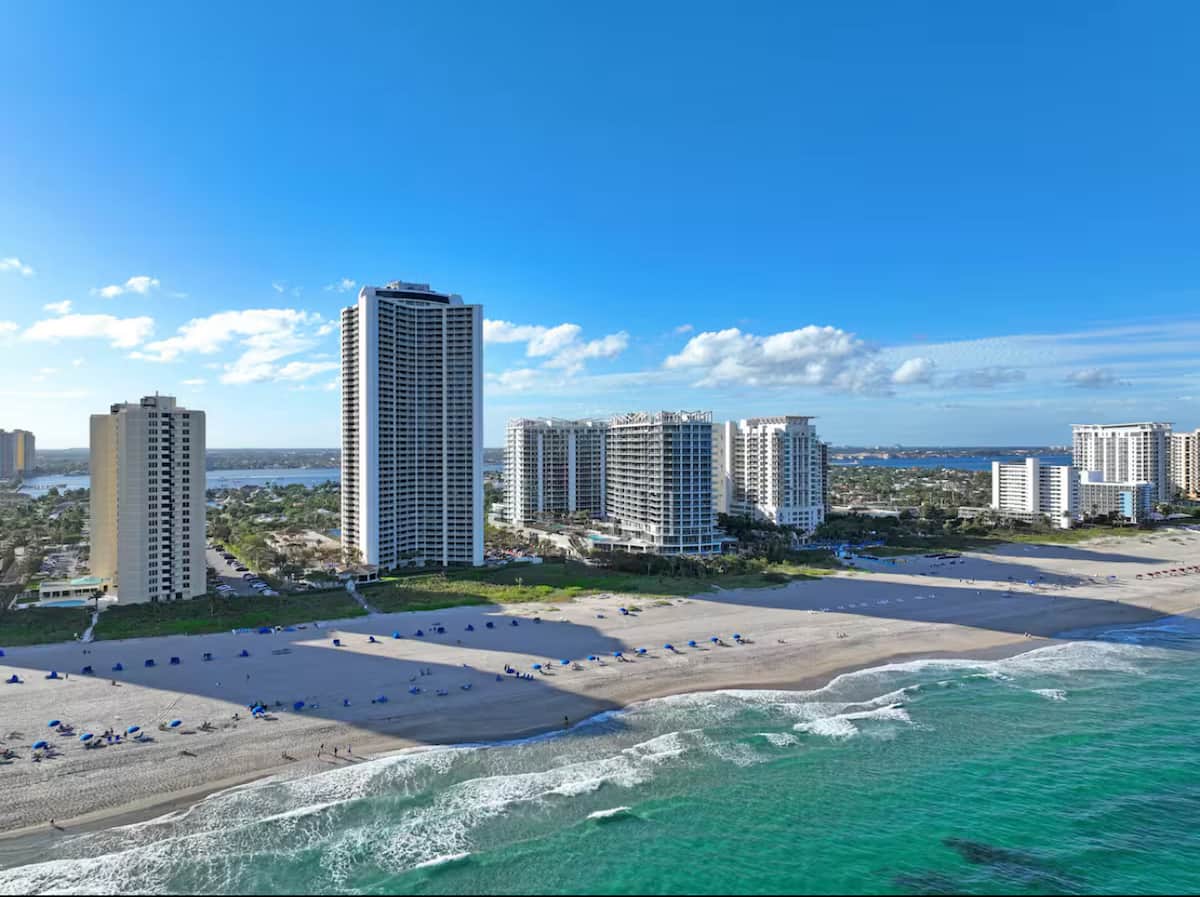
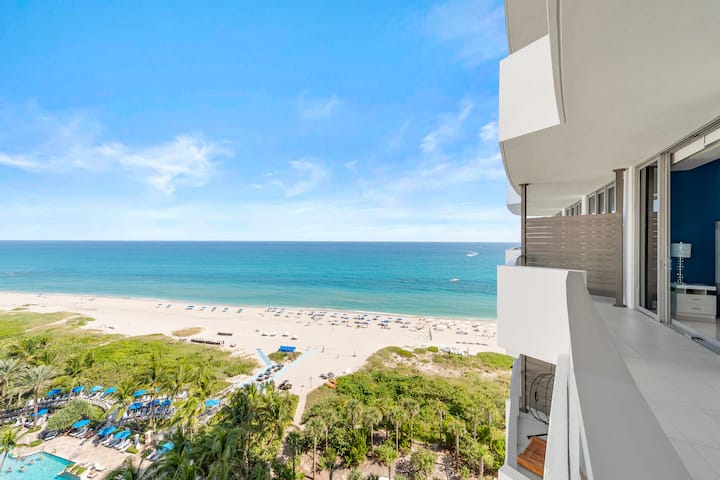
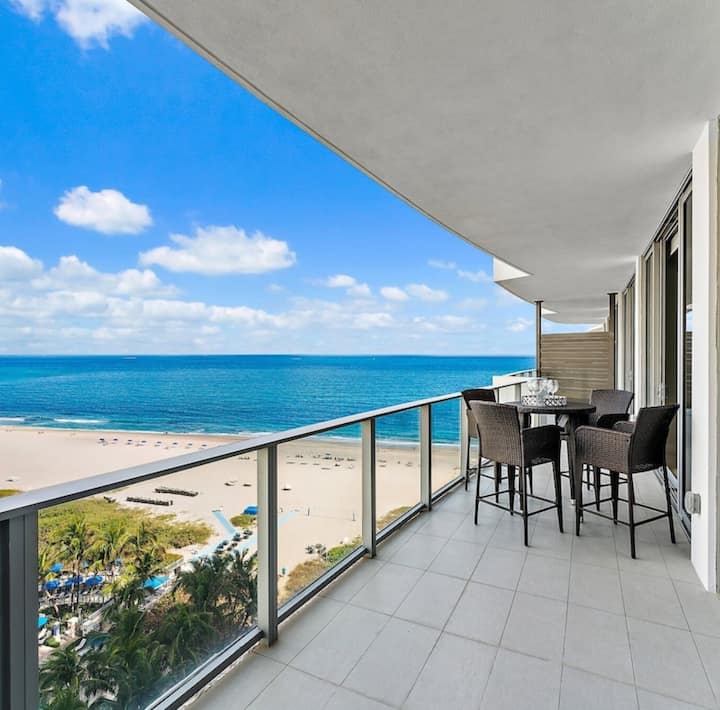
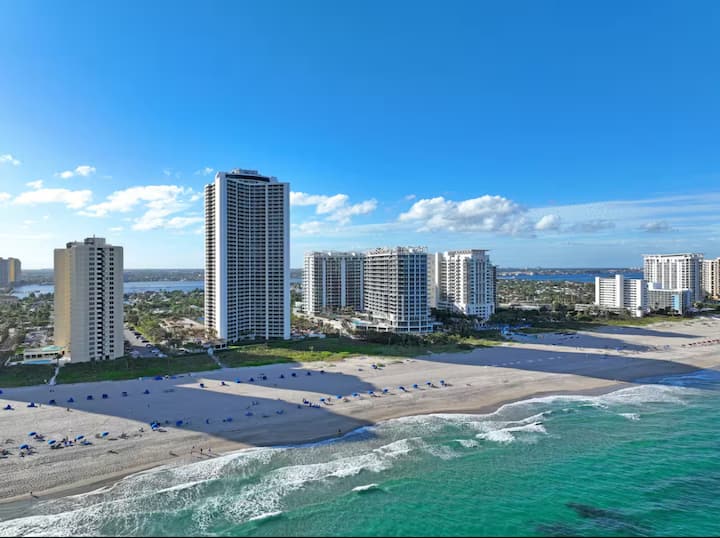
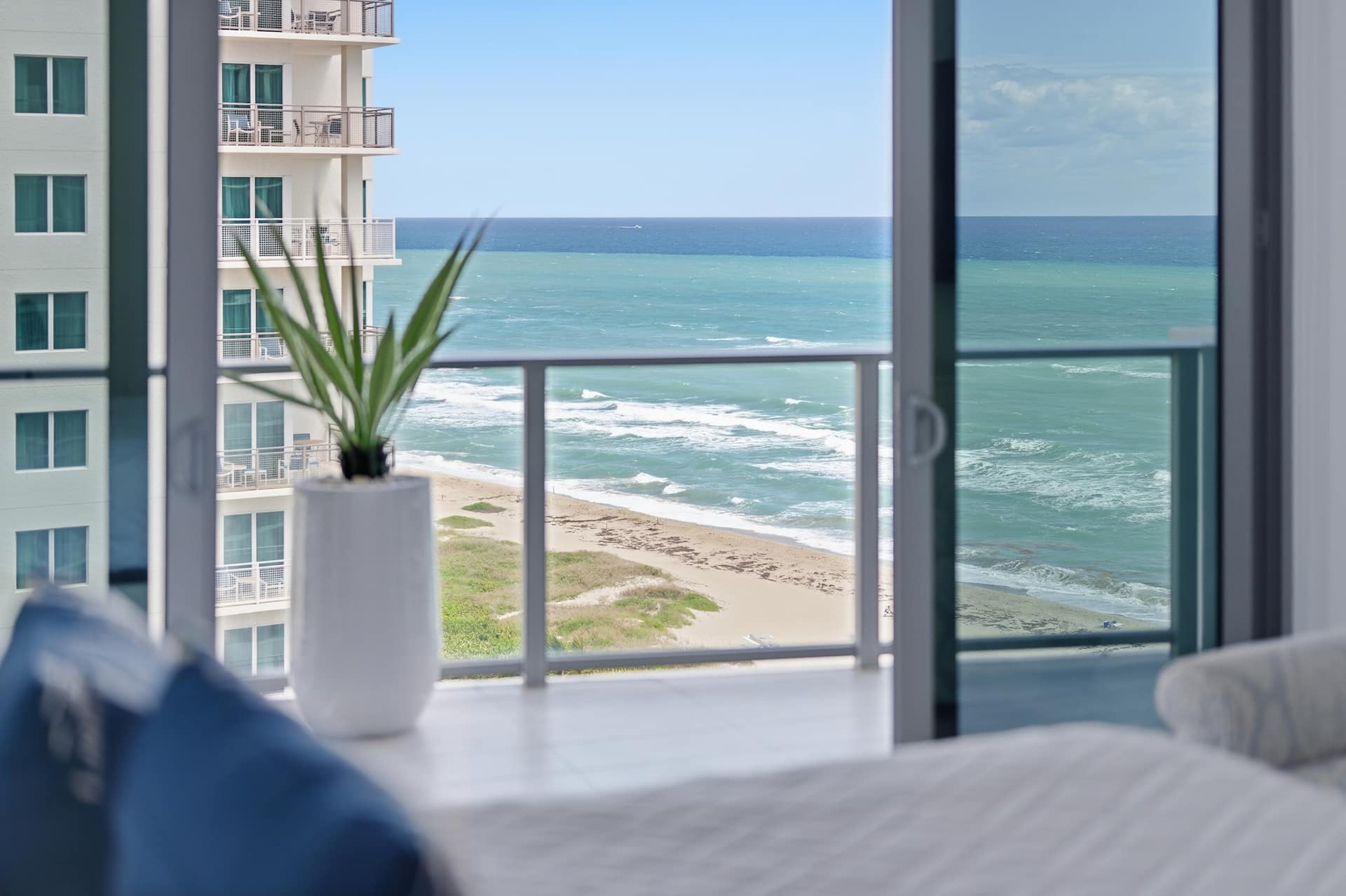
OASENA is a private two-bedroom home on the twelfth floor of the Happiness Tower — floor-to-ceiling ocean views, a sweeping balcony, and every guide in this collection within a short drive or a shorter walk.
OASENA is a privately owned residence within Amrit Ocean Resort & Residences and is not operated by, affiliated with, or endorsed by the resort. See credits & notes. Details in this guide are for general orientation and can change; confirm hours, prices and conditions locally before you set out.